Table of Contents
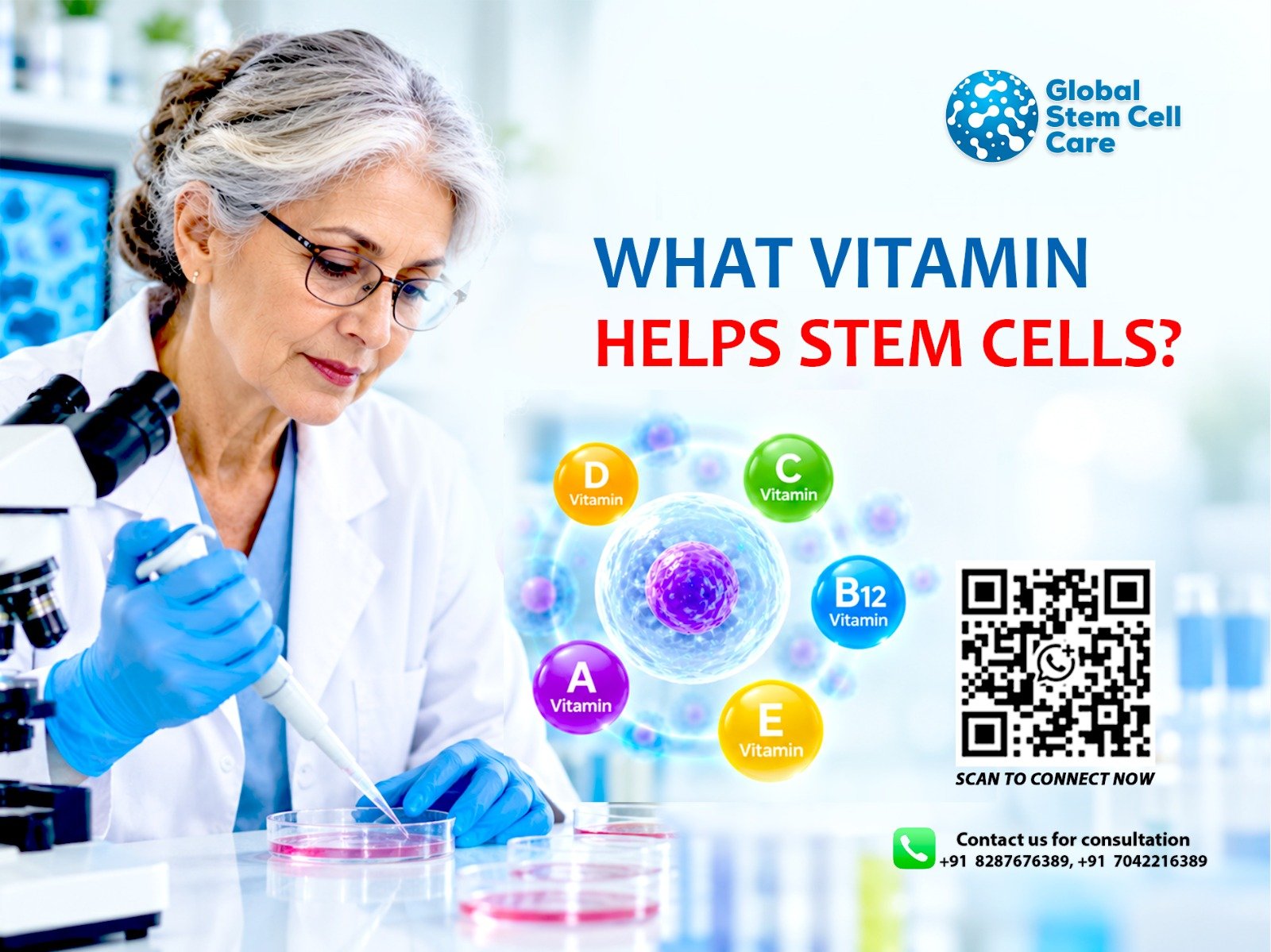
Vitamin C, A, E, D and certain B vitamins are being investigated for their part in stem cell function, development and differentiation. They support important cellular processes, but their effectiveness depends on their concentration and the cell type involved. No vitamin supplement has yet been established to boost stem cell regeneration throughout the human body.
Key Takeaways
- Vitamins support cellular processes involved in normal stem cell function.
- Vitamin C has been studied for its role in collagen formation and epigenetic regulation.
- Vitamins A and D influence cell differentiation and signalling pathways.
- B vitamins support metabolism and other processes necessary for healthy cells.
- Research findings do not establish that high-dose supplements improve stem cell regeneration in humans.
- A balanced diet and correction of nutritional deficiencies support general health.
What Vitamins Help Stem Cells?
Stem cells play an important role in the human body by maintaining and renewing certain tissues that are lost or damaged due to injuries. Their activity often depends on several factors, including biological signals, the surrounding tissue environment and nutrient availability.
Adding vitamins may support the underlying processes. Scientists are investigating how each vitamin may influence stem cell survival, multiplication and differentiation, especially in laboratory research settings.
Nevertheless, to understand these interactions, it is vital to distinguish between supporting normal biological processes in cells and evidence that a vitamin helps regenerate the body. The following blog is going to explore the main vitamins used in stem cell research.
Overview of Stem Cells And Their Importance
Stem cells are specialised cells with the potential to self-renew and grow into certain cell types. Their roles vary by type and location. For example, haematopoietic stem cells in bone marrow produce blood cells, while stem cells in certain tissues contribute to ongoing maintenance and renewal.
Their working surroundings depend on a supportive environment, often called the stem cell niche. Nutrients, oxygen availability, immune signals and other interactions with surrounding cells may influence how stem cells behave.
Supporting stem cells with vitamins can contribute to normal metabolism, gene regulation and other cellular activities. Research suggests that certain vitamins can influence stem cell behaviour under certain conditions. However, these effects vary between cell types and do not automatically translate into improved tissue regeneration.
[elementor-template id=”8228″]
How Vitamins Influence Stem Cell Function
Taking vitamins is a good habit. As it performs different function in the body, and their effects on stem cells are not same always. Depending on the specific vitamins and cellular environment, they may influence:
- Cellular Metabolism: They support biochemical reactions needed for normal cell activity.
- Gene Regulation: Influencing processes that determine which genes are active.
- Cell Differentiation: By helping control cell growth into specialised forms.
- Oxidative Balance: By aiding systems in regulating harmful reactive compounds.
- Tissue Maintenance: Helps to support functions like the formation of collagen and proper tissue structure.
Vitamin activity may be dependent on concentration as well as the kind of stem cells under study. More is not always better. Any results obtained from research studies involving laboratory concentrations cannot be directly extrapolated to supplement use at high concentrations.
Key Vitamins Essential for Stem Cell Health
Vitamin C
Vitamin C helps in collagen formation, antioxidant activities and enzymes involved in regulating DNA and histone alterations. These functions make vitamin C particularly relevant to stem cell research.
Clinical and laboratory investigations have studied how this vitamin may influence stem cell survival, differentiation and reprogramming. It’s also used in certain stem cell culture methods. However, these findings do not mean that taking extra vitamin C can increase stem cell numbers or improve regeneration in the body. Taking adequate amounts supports a healthy lifestyle.
Vitamin A
Vitamin A plays a role in supporting cell growth and differentiation through ways that regulate gene expression. Researchers study its potential in stem cell development, and taking unnecessary amounts can be harmful.
Vitamin D
Getting an adequate amount of sunlight in a day can replace the need to take any vitamin D supplements. Vitamin D supports calcium absorption and optimal bone health. Laboratory studies, however, suggest it may influence stem cell activity and self-renewal, but supplementation has not been proven to improve stem cell regeneration in humans.
Vitamin E
Vitamin E helps protect those cells’ membranes from oxidative damage. However, its effect on stem cells remains under investigation, and high-dose supplements may increase the risk of adverse effects, including bleeding.
B Vitamins
Certain B vitamins support essential processes such as energy metabolism, DNA synthesis and normal cellular function.
- Vitamin B9 (folate): Supports DNA synthesis and cell division.
- Vitamin B12: Assists in the formation of blood cells and the nervous system.
- Vitamin B3 (niacin): Assists in the production of NAD that aids in cellular energy metabolism.
However, these functions are relevant to current stem cell biology, and additional vitamin B’s have not been shown to improve stem cell regeneration in people who already fulfill the nutritional needs.
Can Vitamins Enhance Stem Cell Regeneration?
Vitamins may support the biological processes that stem cells depend on, but this does not establish that taking additional supplements can reliably stimulate tissue regeneration.
Currently, research has identified the potential of vitamin-related effects on stem cell growth, differentiation and gene regulation, especially in clinical settings. These important findings may help scientists develop better cell culture methods and understand how stem cells respond to their surroundings.
Three important distinctions matter:
- Normal Nutrition: Taking enough vitamins to support general health and normal cellular function.
- Correcting Deficiencies: Addressing a confirmed deficiency after the doctor’s suggestion may improve health problems associated with inadequate nutrient intake.
- Enhancing Regeneration: This requires clinical evidence showing that a specific intervention produces meaningful improvements in people.
The third claim has not been established for regular vitamin intake across different stem cell types and conditions. Vitamins should not be considered a substitute for established medical treatment or a proven way to increase stem cells.
What Does Research Say About Vitamins and Stem Cells?
A paper published in Cellular and Molecular Life Sciences investigated how vitamins influence stem cell survival, growth and differentiation. Another review in Stem Cells International suggested vitamin C’s part in maintaining the extracellular matrix and influencing mesenchymal stem cell differentiation.
While these results show vitamins’ potential importance in stem cell investigations, most of the evidence is obtained from experimental animal tests and lab experiments. There is a need for more human research to find out if vitamin intake will help improve the results in a real-world setting.
Looking Ahead
Vitamins remain an important part of healthy body function and stem cell research, but their effects depend on the nutrient, dose, and cellular environment. Taking an adequate amount of nutrition supports general health. However, it does not guarantee improved regeneration.
For information about stem cell research and clinical approaches, visit Global Stem Cell Care and consult a qualified healthcare professional before starting supplements for a specific medical purpose.
Frequently Asked Questions
Q1. Which vitamin is most studied for stem cell function?
Vitamin C is studied for its effects on stem cell culture, epigenetic regulation and self-renewal. But still, these findings do not prove that supplements improve regeneration in humans.
Q2. Can vitamin supplements increase stem cell production?
Not enough evidence is currently available to support routine vitamin supplementation that may increase stem cell production throughout the body. Effects depend on nutritional status and biological context.
Q3. Does vitamin D help stem cell regeneration?
Vitamin D influence several cellular pathways, and researchers are investigating its effects on stem cells. Some clinical evidence supporting supplementation specifically for regeneration remains limited.
Q4. Can vitamins improve stem cell therapy outcomes?
The benefits of vitamin supplements on stem cell therapy are not yet proven. It is recommended that patients consult with the medical practitioners handling them regarding nutritional requirements.
Q5. Is a balanced diet important for stem cell health?
Yes. A balanced diet supplies vitamins and other nutrients needed for normal cellular function and overall health, although it cannot guarantee enhanced stem cell activity.
Reference Links
Godoy-Parejo C, Deng C, Zhang Y, Liu W, Chen G. Roles of vitamins in stem cells. Cellular and Molecular Life Sciences. 2020.
Retrieved from: https://pmc.ncbi.nlm.nih.gov/articles/PMC11104807/
Cimmino L, Neel BG, Aifantis I. Vitamin C in Stem Cell Biology: Impact on Extracellular Matrix Homeostasis and Epigenetics. Stem Cells International. 2017.
Retrieved from: https://pmc.ncbi.nlm.nih.gov/articles/PMC5415867/
Cimmino L, Neel BG, Aifantis I. Vitamin C in Stem Cell Reprogramming and Cancer. Trends in Cell Biology. 2018.
Retrieved from: https://pmc.ncbi.nlm.nih.gov/articles/PMC6102081/
Medical Disclaimer
This blog is for educational purposes only and does not replace professional medical advice, diagnosis or treatment. Do not start high-dose vitamin supplements to influence stem cell activity without consulting a qualified healthcare professional.