
📅 Published on: May 22, 2024 | 🔄 Updated on: March 28, 2026 | By: Global Stem Cell Care India
Key Takeaways
- 01:Supports Damaged Optic Nerve Function: Optic nerve atrophy damages vision signals permanently. Stem cell therapy targets affected nerve tissues. It aims to support remaining optic nerve fibers. Damaged nerve communication may improve gradually. The therapy focuses on functional support. Vision restoration is not instant. Progress usually occurs slowly. Each patient responds differently. Early-stage cases may respond better. Ongoing monitoring tracks visual changes carefully.
- 02:May Help Stabilize Vision Loss: Vision loss from optic nerve atrophy often progresses. Stem cell therapy may help slow deterioration. It supports nerve cell survival. Reduced inflammation may protect remaining vision. Some patients report visual stability. Others experience slight clarity improvements. Results depend on underlying causes. Therapy focuses on preserving existing vision. Realistic expectations are essential throughout treatment.
- 03:Works Best with Proper Diagnosis and Timing: Accurate diagnosis sets the course for treatment, guiding plans with precision. Optic nerve damage is carefully evaluated by physicians, and imaging tests confirm for whom such interventions may be indicated. The sooner the problem is caught, the better the chance for successful treatment. Advanced cases have limited response. Personalized treatment plans improve safety. Regular eye evaluations remain necessary. Follow-up care tracks functional outcomes. Timing plays a critical role in success.
- 04:Long‑Term Immune Strength and Quality of Life Gains: Improved NK cell function can enhance overall immunity. Patients with better NK activity resist infections more effectively. Enhanced immune cells help the body recognize threats faster. This may reduce illness frequency over time. Strong NK cells also support cancer surveillance in some cases. Reduced infection risk improves daily comfort and energy levels. Patients often feel stronger and healthier after therapy. Lifestyle and diet support further immune improvements. Regular monitoring ensures sustained NK cell health. Early intervention may prevent future immune decline.

Best Optic Nerve Damage Stem Cell Treatment in Delhi, India
Optic nerve disorders can cause vision problems and affect one or both eyes. The optic nerve contains millions of nerve fibers carrying images of what the eye sees to the brain. Stem cell treatment holds the key to the future treatment of neuronal disorders. Neural progenitor cells delivered to the vitreous can add to the ganglion cell layer of the retina, turn on neurofilament genes, and migrate into the host’s optic nerve.
People are searching for optic nerve atrophy stem cell treatment in Delhi, India, but can’t seem to find the best optic nerve stem cell treatment at an affordable price. Global Stem Cell Care helps those patients to find the best hospitals for optic nerve stem cell regeneration treatment in India.
Optic Nerve Atrophy Stem Cell Treatment in Delhi
Damage to the optic nerve can cause optic atrophy, a condition that impairs the transmission of signals from the eye to the brain. Many causes of optic atrophy exist.
Bad blood flow is among the most common. This is called neuropathy of ischemic optics. Older adults are most commonly affected by the problem.
With shock, chemicals, radiation, and trauma, the optic nerve may also be impaired. Optic atrophy is not a disorder, but rather a symptom of a condition that is potentially more severe.
Optic atrophy is not a disorder, but rather a symptom of a condition that is potentially more severe. Optic atrophy results from several different forms of pathologies from damage to the optic nerve. This trouble can cause vision problems, including blindness.
Do you Know about Optic Nerve Stem Cell Therapy?
Nerve fibers that send signals to the brain are made of the optic nerve. Anything is messing with the capacity of the optic nerve to send these signals in the case of optic atrophy.
- There are various causes that can cause interference, including:
- Glaucoma.
- Optic nerve stroke, known as anterior optic ischemic neuropathy.
- A tumor that presses on the optic nerve.
- Optic neuritis, an optic nerve inflammation (swelling) caused by multiple sclerosis.
- An inherited condition in which, first in one eye and then in the other (known as Leber’s inherited optic neuropathy), the person suffers vision loss.
Improper optic nerve development, which is a congenital problem (the person is born with it).
There are various methods that are adopted to treat the condition, however, none of the methods have been proven as accurate and reliable as th optic nerve atrophy stem cell treatment in Delhi.
Stem cell therapy for optic nerve atrophy in Delhi helps regenerate optic nerve cells, which allows patients with optic atrophy to see better.
Nerve fibers that send signals to the brain are made of the optic nerve. Anything is messing with the capacity of the optic nerve to send these signals in the case of optic atrophy.
There are various causes that can cause interference, including:
- Glaucoma.
- Optic nerve stroke, known as anterior optic ischemic neuropathy.
- A tumor that presses on the optic nerve.
- Optic neuritis, an optic nerve inflammation (swelling) caused by multiple sclerosis.
- An inherited condition in which, first in one eye and then in the other (known as Leber’s inherited optic neuropathy), the person suffers vision loss.
- Improper optic nerve development, which is a congenital problem (the person is born with it).
There are various methods that are adopted to treat the condition, however, none of the methods have been proven as accurate and reliable as th optic nerve atrophy stem cell treatment in Delhi.
Optic nerve atrophy stem cell treatment helps regenerate optic nerve cells, which allows patients with optic atrophy to see better.
Symptoms of Optic Nerve Atrophy
A type of optic nerve atrophy may be caused by eye disorders, such as glaucoma. Diseases of the brain and central nervous system may also be a reason for the disorder. Others may include:
- Tumor of the brain
- Arteritis of the cranial (sometimes called temporal arteritis)
- Several sclerosis
- Stroke
Rare causes of inherited optic nerve atrophy that affect children and young adults are also present.The signs of optic atrophy are linked to vision changes, specifically:
- Blurred vision.
- Peripheral (side) perception problems.
- Vision problems in color.
- A decrease in vision sharpness.
Diagnosis
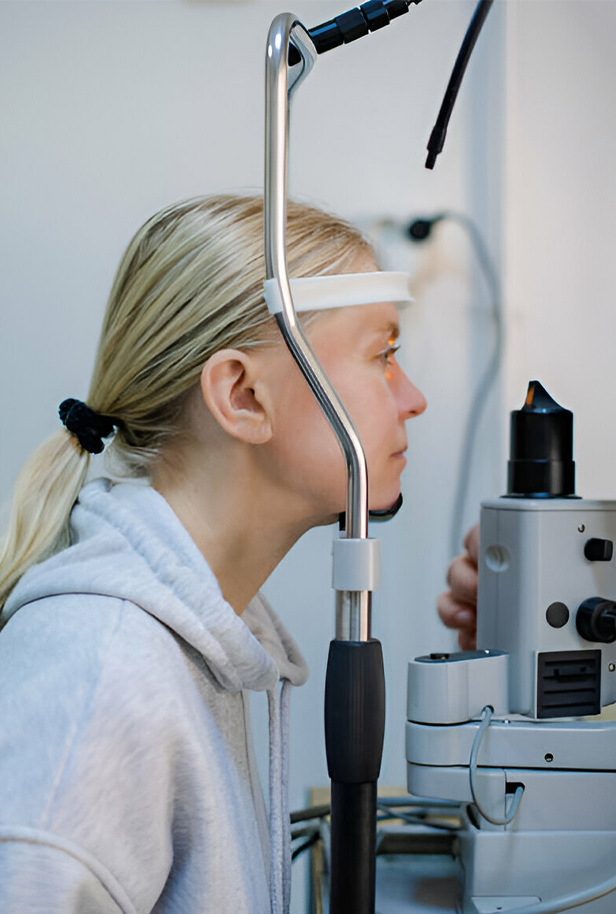
The first and the most important step towards better health is diagnosing the trouble. If you experience any difficulties with your vision, it’s important to see your ophthalmologist. If the ophthalmologist detects optic atrophy, a device called an ophthalmoscope will test your pupils. The doctor would aim at diagnosing optic disc, the place where the optic nerve reaches the back of the eye. In optic atrophy, owing to a decrease in flow in the blood vessels, the optic disc will appear pale. To get the diagnosis done effectively, trust the best stem cell center for optic nerve atrophy, such as Global Stem Cell Care.
In order to assess the vision and peripheral and color vision, the ophthalmologist may also conduct other examinations. You can undergo a magnetic resonance imaging (MRI) test if the ophthalmologist suspects a tumor or multiple sclerosis.
Types
Consecutive Optic Atrophy
- Affects the inner parts of the retina
- Examples include retinitis pigmentosa, pathological myopia
- Blurred vision
- Loss of color vision
Secondary Optic Atrophy
- It leads to optic disc swelling
- The optic nerve head loses its contour and disc
- Optic nerve fibers show marked deterioration, and the proliferation of glial tissue is profuse.
Primary Optic Atrophy
- Swelling of the optic nerve head
- Pituitary or optic nerve tumors
- Axon’s degeneration in an orderly fashion
- Formation of columns of glial cells
Glaucomatous Optic Atrophy
- generalized/focal enlargement of the cup.
- disc hemorrhage
- thinning of the neuroretinal rim
- asymmetry of cupping between the patient’s eyes
- loss of nerve fiber layer
The optic nerve is made up of nerve fibers that send signals to the brain. In the case of optic atrophy, something is interfering with the optic nerve’s ability to communicate these impulses. The interference can be caused by numerous factors, including:
- Stroke of the optic nerve, known as anterior ischemic optic neuropathy.
- A tumor that is pressing on the optic nerve.
- Optic neuritis is an optic nerve inflammation caused by multiple sclerosis.
- A hereditary condition in which the person experiences vision loss first in one eye and then in the other.
- Improper formation of the optic nerve, which is a congenital problem.
Gene Therapy
Rather than optic nerve atrophy stem cell treatment scientists have developed a new gene therapy approach that they say offers promise for one day treating an eye disease that leads to a progressive loss of vision and affects thousands oaf people across the globe. The primary function of gene therapy includes replacing or inactivation the genes that are responsible for causing a disease. In many cases, gene therapy could also be used to introduce new genes that are capable of fighting against a specific condition into the body. With gene therapy, doctors can help deliver a healthy copy of a gene to cells inside the body.
Nerve Growth Factor Treatment
Nerve growth factor (NGF) is a member of the neurotrophic factor family, which can inhibit the death of nerve cells and has several features of typical neurotransmitter molecules. NGF plays an imperative role in the development and growth of nerve cells. NGF can exert neurotrophic effects on injured nerves and promote neurogenesis that is closely related to the development and functional maintenance and darning of the central nervous system.
Anwar Jamaal From Saudi Arabia Visited India For Stem Cell Treatment
I am suffered from visual damage all my life, but my optic nerve atrophy and other worsening conditions are due to a lack of treatment options. That all changed when my wife and I learned about Global Stem Cell Care on the internet. After many suggestions and discussions, we decided to visit India for the treatment. We both want to thank the whole team for providing world-class treatment facilities. After my treatment, I was able to experience better vision capabilities, and her condition improved massively after that. The Global Stem Cell Care team was very helpful, and they helped me see the world again.
Richard Bennett From Hungary Came To India For Optic Nerve Atrophy Treatment
I searched for stem cell treatment in other states like the United States and Canada, but they all had long waiting lists and too high prices, so I decided to look for clinics in India and found Global Stem Cell Care. I was impressed by the reviews I found online, and I had a consultation with their medical staff. If you are looking for a stem cell treatment for optic nerve atrophy, I highly recommend this hospital for the treatment. They are affordable and have a very advanced facility
Rachel Edwards Underwent Stem Cell Therapy To Cure Optic Nerve Atrophy
Hi, I am Rachel from New York. I had a problem with my optic nerve. I was worried that I might lose my vision, I tried stem cell therapy via Global Stem Cell Care in India, and now I’m seeing it again, and I feel great, I can see everything, and I can’t believe it. I am so happy with the outcomes, I didn’t think it would work, but I did it anyway. So if you are a patient with Optic Nerve Atrophy, go for stem cell treatment.
Ritika Singh From Ranchi Came To Us For Stem Cell Therapy To Treat Optic Nerve Atrophy
Hi, I am Ritika’s father, Ishaan Singh, my daughter was suffering from optic nerve atrophy, and for a few years, I searched for a safe and effective treatment for my child but couldn’t find one. Then one of my relatives told me about stem cell therapy via Global Stem Cell Care. I’ve used this therapy for my child’s condition and am very satisfied with the results. Not only did it improve her vision, but it also helped with her cognitive functions and behavior. The best thing about stem cell therapy is that it’s completely natural and has no side effects. Thanks, Global Stem Cell Care, for the great assistance and fantastic treatment.
Related Disorders for Stem Cell Treatment
stem cell therapy age related macular degeneration
stem cells cure retinitis pigmentosa
is there a cure for optic nerve hypoplasia
optic neuropathy stem cell treatment
eye best’s disease treatment with stem cells
stem cell therapy for retinopathy

Implantation
Global Stem Cell Care extends the best and the most reliable stem cell therapy for optic nerve atrophy in Delhi. The implantation stage is an inevitable and non-negligible step during the treatment.
The autologous mesenchymal foundational microorganisms from the bone marrow are the stem cells used in the implantation period
. Undeveloped cells are separated by an unconventional system from a large portion of the bone marrow and injected by intra-thecal infusion; the resulting bone marrow is sent to a cell intensification testing center and cytoplasmic markers are provided to create neuro-ancestor cells. Intravenous dribbling infuses these ancestor cells.
The following is the structure that is followed during the implantation stage:
- Intravenous administration
- Liberation angioplasty
- Intrathecal (lumber puncture)
- Intraarterial
- Subcutaneous
- Surgical administration for stroke
- Intramuscular
MECHANISM
For the stem cell therapy for optic nerve atrophy, treatment by the Global Stem Cell Care, has been deemed both reliable and successful. With expert care and precautions you can also live the boon of life and health.
- There are three stem cells for optic nerve atrophy classes that vary, based on their position in the body and their potency (the ability to develop in different cell lines). Ophthalmologist performs experiments on both of these classes. Embryonic stem cells (ESCs) are cells that are found at an early stage of development in the inner cell mass of an embryo. ESCs are pluripotent, meaning that in the course of growth they will become any cells.
- Relevant antigens, which are a common cause of incompatibility between donor tissues and the recipient during transplantation, are still not generated. ESCs may be useful in managing retina degenerative disorders, retinal pigment epithelium pathologies, and optical neuropathies. Research on ESCs is banned at the regulatory level in many countries, as their extraction from the embryo interrupts its further production.
- Fetal stem cells. Following an abortion or from cord blood, this community of cells is removed from the fetus. Fetal SCs have greater functionality than adult SCs and are pluripotent. Such cells exhibit increased recovery rates of photoreceptors and are capable of sustained doubling during cultivation. Their use, however, is often synonymous with ethical concerns. Study on fetal cells is banned by law in many countries worldwide.
- Adult stem cells, found in mature tissues, are immobile and non-specialized cells. These adult stem cells for optic nerve atrophy collaborate with new ones to replace dead cells and facilitate tissue regeneration. Nonetheless, they create a microenvironment for tissues, shield them from degeneration (destruction), and also have the capacity to self-renew and create mature cells. Hematopoietic stem cells, mesenchymal stem cells, and neural stem cells may be differentiated by multiple forms of SCs.
Global Stem Cell Care is considered the best stem cell center for optic nerve atrophy with an adept staff.

MECHANISM
For the stem cell therapy for optic nerve atrophy, treatment by the Global Stem Cell Care, has been deemed both reliable and successful. With expert care and precautions you can also live the boon of life and health.
- There are three stem cells for optic nerve atrophy classes that vary, based on their position in the body and their potency (the ability to develop in different cell lines). Ophthalmologist performs experiments on both of these classes. Embryonic stem cells (ESCs) are cells that are found at an early stage of development in the inner cell mass of an embryo. ESCs are pluripotent, meaning that in the course of growth they will become any cells.
- Relevant antigens, which are a common cause of incompatibility between donor tissues and the recipient during transplantation, are still not generated. ESCs may be useful in managing retina degenerative disorders, retinal pigment epithelium pathologies, and optical neuropathies. Research on ESCs is banned at the regulatory level in many countries, as their extraction from the embryo interrupts its further production.
- Fetal stem cells. Following an abortion or from cord blood, this community of cells is removed from the fetus. Fetal SCs have greater functionality than adult SCs and are pluripotent. Such cells exhibit increased recovery rates of photoreceptors and are capable of sustained doubling during cultivation. Their use, however, is often synonymous with ethical concerns. Study on fetal cells is banned by law in many countries worldwide.
- Adult stem cells, found in mature tissues, are immobile and non-specialized cells. These adult stem cells for optic nerve atrophy collaborate with new ones to replace dead cells and facilitate tissue regeneration. Nonetheless, they create a microenvironment for tissues, shield them from degeneration (destruction), and also have the capacity to self-renew and create mature cells. Hematopoietic stem cells, mesenchymal stem cells, and neural stem cells may be differentiated by multiple forms of SCs.
Global Stem Cell Care is considered the best and the most reliable optic nerve damage stem cell treatment provider with an adept staff.
Get Stem Cell Therapy for Optic Nerve Atrophy
- Research into stem cell therapy is being conducted as a potential treatment for degenerative eye diseases, with the aim of regenerating damaged neurons and restoring nerve chains.
- The high quality of stem cell application in nerve lesions was shown in one of the Swiss clinical trials. In 70-90 percent of cases, a good therapeutic effect was found in the form of enhanced
motor and sensory functions. - In brain nerve lesions, degenerative pathologies, nervous system diseases, and pathologies of a hypoxic type, stem cell treatment for optic nerve atrophy in India has shown the best outcomes.
- Results also show that trophic stem cell factors shield weakened neurons from death and induce new interneuron associations to develop.
- In comparison, in people with advanced conditions, stem cell for optic nerve damage greatly speeds down vision deterioration.
- In tandem with specialized therapies, stem cell therapy for optic nerve atrophy in Delhi helps to deal with the major effects of optic atrophy (central, peripheral, and color vision loss) and leads to the regeneration of tissue.
- Global Stem Cell Care is determined to offer people in need of stem cell for optic nerve damage and other specific condition.
HOW GLOBAL STEM CELL CARE THERAPY WORKS?
Drugs dependent on stem cells produce millions of viable optic nerve-forming neural progenitor cells. There are several phases of cell therapy for optic nerve stem cell regeneration: experts remove stem cells from the bone marrow by puncturing the ilium, or from adipose tissue by liposuction-like procedures.
The key characteristics of stem cells, such as number and viability, as well as the occurrence of pathogens in the blood, are tested.
If the cellular content satisfies all the re-implantation criteria, it is purified. Stem cell viability could hit 98-99 percent.
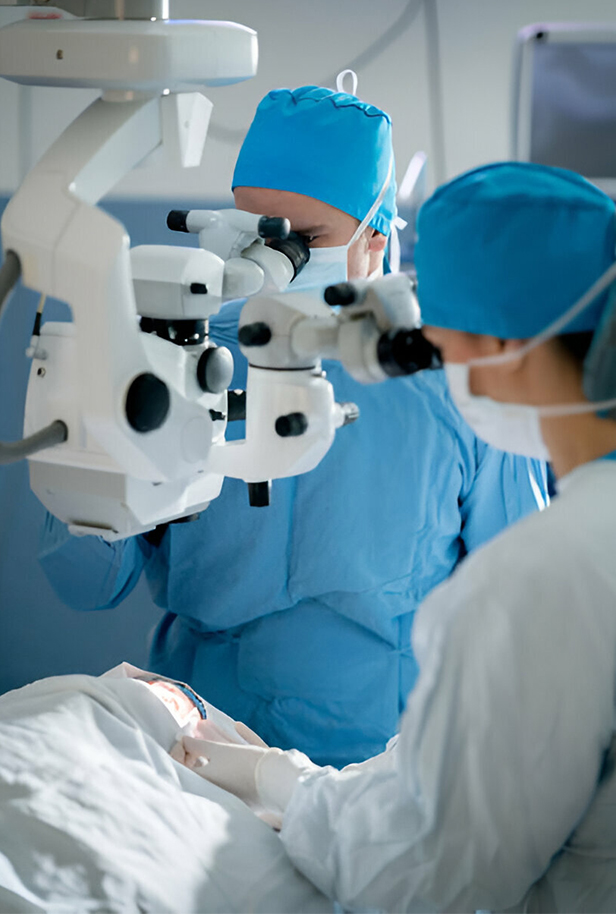
The required quantity of the prescription is injected into the eye subtenon and suprachoroidal spaces (In certain locations adjacent to the optic nerve in orbit.). Optic nerve stem cell regeneration is a less traumatic procedure which takes little time. It is possible to carry out the second session in 1-2 months to integrate the effects of the procedure.
This administration approach guarantees the distribution of the medication straight through the pathological focus, providing the most pronounced result of the optic nerve transplant stem cell treatment. The procedure is easy for patients to handle and has no side effects.
In order to obtain optimal outcomes, an extra reflexotherapy and electrostimulation course will be recommended. Medication therapy, along with optic nerve transplant stem cell therapy, is also carried out when appropriate. Stem Cell Therapy for Optic Nerve Atrophy is carried out by Global Stem Cell Care, the best optic nerve atrophy stem cell treatment provider in India.
Drugs dependent on stem cells produce millions of viable optic nerve-forming neural progenitor cells. There are several phases of cell therapy for optic nerve stem cell regeneration: experts remove stem cells from the bone marrow by puncturing the ilium, or from adipose tissue by liposuction-like procedures.
The key characteristics of stem cells, such as number and viability, as well as the occurrence of pathogens in the blood, are tested.
If the cellular content satisfies all the re-implantation criteria, it is purified. Stem cell viability could hit 98-99 percent.
The required quantity of the prescription is injected into the eye subtenon and suprachoroidal spaces (In certain locations adjacent to the optic nerve in orbit.). Optic nerve stem cell regeneration is a less traumatic procedure which takes little time. It is possible to carry out the second session in 1-2 months to integrate the effects of the procedure.
This administration approach guarantees the distribution of the medication straight through the pathological focus, providing the most pronounced result of the optic nerve transplant stem cell treatment. The procedure is easy for patients to handle and has no side effects.
In order to obtain optimal outcomes, an extra reflexotherapy and electrostimulation course will be recommended. Medication therapy, along with optic nerve transplant stem cell therapy, is also carried out when appropriate. Stem Cell Therapy for Optic Nerve Atrophy is carried out by Global Stem Cell Care, the best optic nerve atrophy stem cell treatment provider in India.
VIP TREATMENT TO PATIENTS AT GLOBAL STEM CELL CARE
The therapy sessions given to the patients at Global Stem Cell Care occur in the VIP treatment room in the advanced clinic.
24*7 supervision is maintained on the patients by the efficient medical team.
Global Stem Cell Care highly recommends the patients stay for a minimum of 3 days in Hospital.

GLOBAL STEM CELL CARE TREATMENT PROCEDURE
The treatments that take place in Global Stem Cell Care are of 3 days. The treatment protocol is safe and non-invasive. The patients can travel the next day. The following is the day-wise schedule for the patients.
- Pick up from the Airport to the Hospital
- Interaction between Dr and Patient, to clear all their doubts at that time
- Admission procedure
- Clinical examination & Lab test will be done prescribed by the doctor
- Supportive Therapy
- Stem cell Procedure
- Supportive therapies
- Physiotherapy
- Supportive Therapy
- Physiotherapy
- Discharging formalities
- Drop back to the Airport
- For Admission, carry the identity card (Passport/ Pan Card / Driving License)
- Carry the hard copy of Patient reports
Our Promise
Stem cell therapy provides new hope for those who are suffering from optic nerve atrophy and promise to reduce the symptoms. As stem cells promise to treat your medical condition, we promise you that we provide the best stem cell therapy for ONA in India. At the best stem cell center for optic nerve atrophy, you can witness that we work to give you the compassionate care and treatment option. We committed to restore your lost vision and quality life by adopting the regenerative potential of stem cells. By this innovative approach, we offer hope for those who lost their vision. We are dedicated to creating safe and efficient treatments through state-of-the-art research and clinical knowledge.


Cost
Optic nerve atrophy can be treated with stem cell therapy but it can bring significant cost considerations. Stem cell therapy contains various procedures, laboratory work, research, and professional medical team and it makes it an expensive approach. But that’s not the only factor which can depend on cost fluctuation. Many other factors are: initial consultation, clinical trials, type of stem cell you want, condition of your disease, etc. At several hospitals and institutions you will see the expensive price tag on this innovative approach. That’s why we are doing rigorous clinical trials and research to make it effective as well as affordable.
Success Rate
Nowadays, stem cell therapy is providing hope for many individuals because it has the regenerative potential to treat the disease and offer promising results. But the success rate is not the same for all patients. It can depend on various factors such as severity of your condition, patient’s medical history, specific which is used, and many more. According to our expertise, the success rate can be differ in many individuals. Some patients experience significant improvement in their vision. On the other hand, some witness the improvement after a long term. Although stem cell therapy has the potential to make your vision back, several clinical trials are still ongoing to make it effective and safe treatment.


Advantages
Stem cell therapy offers hope to regain the lost vision and enhance ocular health for those who are suffering from ONA. Here are six advantages of this innovative approach:
- Regeneration: Stem cell therapy has the potential to regenerate damaged optic nerve tissues, offering a more sustainable solution compared to conventional treatments that merely manage symptoms.
- Restoration of Function: Stem cell therapy will replace the damaged or lost cells which helps in restoring the function of optic nerve and leads to improve in visual acuity and overall vision quality.
- Reduced Risk of Rejection: Stem cells derived from the patient’s own body or from compatible donors can mitigate the risk of rejection, enhancing safety and efficacy of the treatment.
- Minimized Side Effects: Unlike traditional therapies which may carry significant side effects, stem cell therapy offers a more targeted and minimally invasive approach, reducing the likelihood of adverse reactions.
- Long-term Benefits: Stem cell treatments have the potential to provide long-term benefits, potentially reducing the need for frequent interventions and enhancing the patient’s quality of life over an extended period.
- Personalized Treatment: Stem cell therapy can be tailored to individual patients, considering factors such as age, medical history, and specific characteristics of optic nerve damage, leading to more personalized and effective treatment strategies.
Quality Control
Optic nerve atrophy can be caused due to shrinkage of optic nerve by degeneration of retinal ganglion cell Axons. But stem cell therapy is becoming a new hope for those who are seeking the best treatment to take their lost vision back. To ensure efficacy and safety of stem cell therapy, rigorous quality control measures are imperative:
- Cell Authentication: Confirming the identity and purity of stem cells prevents contamination and ensures the desired therapeutic effect.
- Sterility Assurance: Strict adherence to aseptic techniques during stem cell culture and implantation minimizes the risk of infection.
- Functional Testing: Assessing the ability of stem cells to differentiate into optic nerve cells verifies their regenerative potential.
- Long-term Monitoring: Continuous evaluation of patient outcomes and adverse reactions enables adjustments to treatment protocols.
- Regulatory Compliance: Compliance with regulatory standards and ethical guidelines ensures the ethical and safe use of stem cell therapy in treating optic nerve atrophy.
Quality Certificate
A quality certificate for treating optic nerve atrophy via stem cell therapy ensures adherence to rigorous standards. It confirms the use of ethically sourced stem cells and advanced protocols to regenerate damaged optic nerves. The certificate underscores comprehensive patient evaluation, precise cell delivery techniques, and post-treatment monitoring for efficacy and safety. Quality assurance extends to facility accreditation, experienced medical personnel, and compliance with regulatory guidelines. It signifies a commitment to evidence-based practices, continual improvement, and patient well-being. With this certificate, patients can trust in the reliability, effectiveness, and ethical integrity of the stem cell therapy for treating optic nerve atrophy.

What to Expect from Stem Cell Treatment for Optic nerve Atrophy?
Stem cells form a population of target cells following infusion, which continuously replicate, restore nerve impulse conduction, and are able to supply new neuronal cells to the visual analyzer for 1-1.5 years. The immune powers of the body are triggered a few days after the optic nerve stem cell treatment session.
Their funds are based on restoring weakened tissues. The patient may feel uncomfortable at this point and an exacerbation of the underlying illness occurs.
It’ll decline quickly, and the pain will vanish after 2 weeks.
The stage of regeneration of the missing nerve fibers and neurons starts within a month.
. It has a period of 6 months. Depending on the therapeutic course of optic atrophy, the age of the patient, particular features and the involvement of concomitant pathologies, the state of the patient changes easily.
Global Stem Cell Care is determined to take care of the patients and offer them the best possible treatment to cure their physical ailment.
 Formation of new blood vessels
 Expanded circulation in the optic nerve and retina vessels
 Enhanced supply of nerve fibers
 The ability to rebuild visual analyzer tissue structures
Secretion of biologically active compounds preventing the formation of scars
Enhancement of immunity and elimination of unwanted operation of the pathological focus of the immune system
Resumption of scars
Possible Improvement
Stem cell recovery requires cell therapy. There are unique groups of cells that can specialize in any of the human body’s cells. Some approaches are currently in the clinical trial stage. In several hospitals around the world, other clinical techniques are already successfully applied. However, nothing beats the power and benefits of stem cell therapy,
Stem cell therapy has almost no contraindications and can be done for multiple atrophy types in patients of any age. With the help of the best stem cell therapy by Global Stem Cell Care, people have lived the boon of better life and improved health.
FOLLOW UP
The follow up is the most important stage through which the doctors make the assessment of the condition of the patient. Without the follow-up, the treatment of Cerebral Palsy cannot be completed. According to the doctor’s recommendation, the patient has to come to visit.
FREQUENTLY ASKED QUESTIONS
Q. Can optic nerve atrophy be treated?
A.As such in traditional medicine, there is no appropriate cure for optic atrophy. They cannot regenerate or re-grow until the nerve fibers in the optic nerve are lost. Early diagnosis and treatment of the underlying causes of optic atrophy, however may help to reduce further disease risk.
Q. How common is optic nerve atrophy?
A.It is estimated that optic nerve atrophy affects 1 in 35,000 persons worldwide. In Denmark, where it affects approximately 1 in 10,000 persons, this disease is more general.
Q. Is optic nerve atrophy progressive?
A.Optic nerve atrophy (ONA) is a permanent worsening of vision caused by optic nerve damage. The fiber of the optic nerve acts as a cord transporting information to be accessed by the brain from the eye. Either or both eyes may be affected by it. Depending upon the reason, it can even be radical.
Q. Can vision be restored after optic nerve damage?
A.Vision failure due to injury to the optic nerve can’t be recovered, can be avoided, but can’t be changed. The glaucoma research foundation reports that 60 million cases of vision loss due to glaucoma, a form of optic nerve injury, are faced by people worldwide.
Q. How long does optic nerve take to heal?
A.Within 6 to 12 months, most persons with ON may have partial to full vision recovery. Healing rates decline after that and the injury is more permanent. And after the rehabilitation of usable vision, many will also have a differing amount of optic nerve injury
Can stem cell therapy restore lost vision completely?
Complete vision restoration is unlikely. Optic nerve damage is often permanent. Stem cells cannot regenerate dead nerves fully. They may support remaining nerve function. Some patients notice mild improvement. Others experience stabilization. Expectations should remain realistic. Therapy focuses on preserving vision. Gradual changes are more common. Medical guidance is essential throughout treatment planning.
Is stem cell therapy effective for hereditary optic nerve atrophy?
Hereditary optic nerve atrophy affects nerve development. Stem cells cannot change genetics. They may support surviving nerve cells. Functional improvement may be limited. Results differ for each patient. Early intervention may help outcomes. Medical evaluation determines eligibility. Therapy focuses on slowing progression. Continuous follow-up is necessary for long-term care monitoring.
Does stem cell therapy help optic nerve inflammation?
Inflammation worsens optic nerve damage. Stem cells may reduce inflammatory responses. This may protect remaining nerve fibers. Reduced inflammation supports nerve stability. Some patients report slower vision decline. Results are not guaranteed. Therapy works gradually. Monitoring ensures safe progress. Supportive care remains important during recovery phases.
How long does it take to see results?
Results take time to appear. Optic nerve healing is slow. Some patients notice changes after months. Others require longer observation. Progress is usually gradual. Immediate improvement is rare. Follow-up exams track changes. Patience is necessary during treatment. Individual responses vary greatly between patients.
How does stem cell therapy target optic nerve atrophy?
Optic nerve atrophy damages vision signals. Stem cell therapy targets affected nerve tissue. It supports remaining optic nerve fibers. The therapy may improve nerve communication. Damaged areas receive cellular support. Progress is usually slow. Results vary among patients. The goal is functional support. Vision recovery depends on damage severity. Medical monitoring is always required. Careful follow-ups help track nerve response accurately.
Can stem cell therapy prevent further vision loss?
Vision loss progression varies by cause. Stem cells may help stabilize nerve function. They support remaining optic nerve fibers. Some patients experience slowed deterioration. Results depend on disease stage. Early treatment may help preservation. Therapy focuses on maintaining vision. Regular eye exams remain necessary for assessment.
Is stem cell therapy suitable for advanced optic nerve atrophy?
Advanced cases show extensive nerve damage. Improvement potential is limited. Stem cells may support minimal function. Expectations should remain modest. Medical evaluation is critical. Safety remains the priority. Doctors assess nerve viability. Therapy may focus on stabilization. Outcomes vary widely across patients.
Does age affect stem cell therapy outcomes?
Age influences nerve repair ability. Younger patients may respond better. Older patients may see slower changes. Overall health also matters. Optic nerve condition guides results. Age alone does not exclude treatment. Medical assessment determines suitability. Personalized planning improves safety and outcomes.
Are imaging tests required before treatment?
Imaging tests are essential. They assess optic nerve damage. OCT scans provide detailed evaluation. Visual field tests measure function. Results guide treatment planning. Doctors determine eligibility carefully. Imaging tracks progress over time. Accurate diagnosis improves safety. Monitoring remains important throughout therapy.
Can stem cell therapy improve light perception?
Light perception may improve slightly. Stem cells support nerve signal transmission. Some patients report clearer brightness. Others notice no change. Results vary individually. Therapy does not guarantee improvement. Monitoring tracks subtle changes. Rehabilitation supports visual adaptation. Expectations must remain realistic during care.
Is stem cell therapy painful for optic nerve patients?
The procedure is generally well-managed. Pain levels are usually minimal. Doctors ensure patient comfort. Safety protocols are followed strictly. Recovery is monitored closely. Discomfort varies individually. Medical supervision reduces risks. Post-treatment care supports healing. Follow-up visits are scheduled regularly.
Why is early diagnosis important for treatment success?
Early diagnosis identifies remaining nerve function. Stem cells work better on viable tissue. Advanced damage limits results. Early treatment may slow progression. Timely intervention improves safety. Doctors plan personalized care early. Regular eye exams help detection. Early action supports better outcomes overall.
Conclusion:
Optic nerve atrophy also affects the visual aspects and the ability to live independently in a number of ways. It also severs the connection between the eye and the brain. On the other hand, stem cell therapy mainly focuses on working with the existing functional ability of the nerve and not working to reverse the damage caused. The aim of the therapy is to protect the existing nerve pathways and prevent unhealthy nerve functions. This therapy does not guarantee the restoration of vision but works towards improving the situation for the better.
Stem cell treatment is often sought by patients when it seems that the available choices have been exhausted. This alternative provides a helpful medical route specific to optic nerve damage. The procedure involves enhancing the environment and the conduction of nerve signals. The progress achieved takes time to manifest. The rate at which improvement is realized depends upon the extent of the nerve damage and the conditions of the eye. No one is affected the same, and a personal assessment of the situation is needed.
Early diagnosis plays a significant role in treatment outcomes. Nerves that retain partial function respond better to supportive care. Advanced damage may limit recovery potential, which is why realistic expectations are important. Continuous monitoring helps ensure patient safety and responsible treatment planning. Visual rehabilitation and lifestyle support also enhance overall results.
Ongoing research continues to refine stem cell approaches for optic nerve atrophy. Future developments may improve nerve response and treatment precision. Patients should always consult experienced specialists before proceeding. Informed decisions ensure safety, clarity, and confidence. Preserving vision, even partially, remains meaningful progress for many individuals.
Treatment Disclaimer:
We provide consultation, case evaluation, and patient support services in the field of regenerative medicine. As per current medical guidelines in India, stem cell-based interventions (other than approved indications) are considered investigational and are available only within regulated clinical research settings. For patients exploring broader options, we also assist in facilitating access to treatment pathways, including internationally accredited centers where different regulatory frameworks may apply.
Useful Tags
Stem Cell Treatment for Optic Nerve Atrophy, Stem Cell Therapy for Optic Nerve Atrophy in India, Stem Cell Therapy for Optic Nerve Atrophy Cost in India, Affordable Stem Cell Therapy for Optic Nerve Atrophy in India, Low Cost Stem Cell Therapy for Optic Nerve Atrophy in India, Price of Stem Cell Therapy for Optic Nerve Atrophy in India, stem cell treatment for Optic Nerve Atrophy in Delhi, stem cell treatment for Optic Nerve Atrophy in India, stem cell Hospital for Optic Nerve Atrophy in Delhi, stem cell Hospital for Optic Nerve Atrophy in India