📅 Published on: February 4, 2021 | 🔄 Updated on: March 27, 2026 | By: Global Stem Cell Care India
Key Takeaways
- 01: Regenerates Damaged Nerves: Sclerosis damages nerve cells. And stem cells can help regenerate these tissues. They send healing signals to improve nerve function. Gradual nerve repair may restore mobility. Early therapy often gives stronger results. While regular medical supervision ensures safe recovery. Patients may notice improved balance and coordination slowly after treatment.
- 02:Reduces Inflammation Naturally: Inflammation worsens nerve damage in sclerosis. Stem cells have anti-inflammatory effects. They calm the immune system gently. They also help to reduced inflammation and protect healthy nerves. This therapy also slows down the disease progression. And it helps reduce pain and fatigue. With advanced medical care, it improves daily comfort. And continuous therapy supports long-term nerve health.
- 03:Supports Physical Function: Sclerosis affects walking, grip, and movement. Stem cells help improve nerve-muscle communication. It may help regaining strength and stability over time. And these small improvements make daily tasks easier. It also helps to decrease fatigue and improve independence and confidence.
- 04: Boosts Overall Well-being: Sclerosis impacts emotional and mental health. And stem cell therapy helps restore hope and routine life. Patients may feel more energetic and active. While emotional support from family enhances recovery. Therapy complements physiotherapy and daily exercises. And realistic goals keep expectations achievable. Long-term care ensures sustained improvements in life quality.

Effective Stem Cell Treatment for Multiple Sclerosis
Condition of Multiple Sclerosis is a major condition in which the brain and the spinal cord get affected. The protective cover that is on the nerves gets eaten away by the immune system.
The spinal cord and the brain play an especially important role in the body’s functioning, and the vital organs get affected by this disease.
In this disease, the brain and the spinal cord gets disabled. When the communication between the brain and body gets disrupted, then the body’s functions stop working normally. The attack of this disease is on the central nervous system and the immune system.
The communication channels between the brain and the body get majorly affected, which causes this disease. There is no age at which this condition can occur, but usually, at the age of 20 to 40 years, it can develop.
There are many cases of multiple sclerosis in which no symptoms show up, but, in some cases, major symptoms might show up. Stem cell treatment can effectively help to slow the pace of the progression of this disease.
Stem Cell Treatment for Multiple Sclerosis
When people want the best stem cell treatment for multiple sclerosis (MS), they often check out top places like Global Stem Cell Care. This place is super advanced in treating disease with stem cells. We use the latest technologies and all kinds of treatments to help with MS symptoms and make patients’ lives better. We are all about making each treatment plan just right for each person. Our doctors really care about the patients and want to find the best solutions for MS using stem cells. As science keeps getting better, Global Stem Cell Care is like a light of hope for people dealing with the tough stuff of MS treatment.
DO YOU KNOW ABOUT MULTIPLE SCLEROSIS?
Multiple sclerosis is a condition in which the nerve cells that perform the work of carrying the message between the brain and the body get affected. The nerve cells in the body perform a major function of carrying messages that play a role in making us hear things, provide the ability to view, maintain balance in body and movement.
The body parts that get majorly affected is the brain and the spinal cord which play an especially important role in the normal functioning of the body. In Multiple Sclerosis, the body’s immune system starts attacking the nerve cells, which results in the non-functioning of the nerve cells. The protective covering of the nerve cells is called Myelin.
In this disease, damage is done to Myelin. In young people, Multiple Sclerosis is regarded as the most common non-traumatic disability.
The different types of Multiple Sclerosis are Relapsing-Remitting Multiple Sclerosis, Primary Progressive Multiple Sclerosis, Secondary Progressive Multiple Sclerosis, and Progressive Relapsing Multiple Sclerosis.
For this condition, Global Stem cell Care provides the best stem cell treatment, helping the patients recover effectively.
Common Symptoms of Multiple Sclerosis
Multiple sclerosis, or MS, is a long-lasting sickness that messes along with your body’s brain, and the superhighway that connects it to the rest of your frame, the spinal cord. It generally shows up when you’re between 20 and 50 years vintage, and it is much more likely happen to females than males. The disease is form of like a surprise guest, you will never know when it comes to happen, and it will bring different kinds of problem at the same time.
Sometimes you sense okay, and on other times you sense worse. The disease can create lots of problems for your body and cause all types of troubles. Your muscle tissues might get stiff or weak, and you may have bizarre feelings like tingling or numbness. It also can mess with your brainpower, making it difficult to consciousness or remember matters. Here are some symptoms that shows you multiple sclerosis and need medical assistance:
- Fatigue: One of the hallmark symptoms of multiple sclerosis (MS) is extreme fatigue, often unrelated to physical exertion. Individuals with MS may experience overwhelming tiredness that interferes with daily activities.
- Vision Problems: MS can affect the optic nerves, leading to vision problems such as blurred or double vision, difficulty focusing, or even temporary loss of vision. These issues can be unpredictable and vary in severity.
- Muscle Weakness and Spasms: MS often causes weakness and stiffness in the muscles, making it challenging to control movements. Muscle spasms and involuntary contractions are common, affecting mobility and coordination.
- Numbness and Tingling: Many individuals with MS experience numbness or tingling sensations, often starting in the extremities. This symptom can progress over time and may affect various parts of the body.
- Balance and Coordination Issues: MS can impact the cerebellum, leading to problems with balance and coordination. Individuals may experience difficulty walking, unsteadiness, or a lack of coordination in fine motor skills.
- Cognitive Changes: MS can affect cognitive functions, leading to difficulties with memory, concentration, and problem-solving. Some individuals may also experience mood changes, such as depression or irritability, as a result of the neurological impact of the disease.
DIAGNOSIS
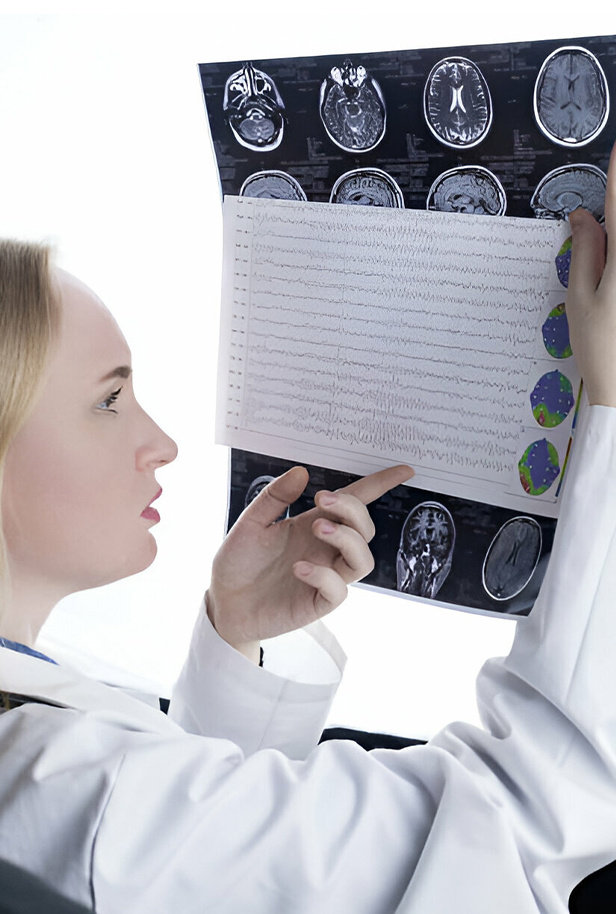
Diagnosis of Multiple Sclerosis is a vital part of the treatment of this condition as without the proper diagnosis; starting the treatment is not possible. As it is a neurological disease, the diagnosis of this condition requires a neurological exam, and the medical history of the patient is analyzed. The team of Global Stem Cell Care provides the correct diagnosis. The doctors first rule out the possibility of other conditions as the symptoms can be remarkably similar to other diseases.
The diagnosis of this condition is not an easy process as there is no test for detecting Multiple Sclerosis. A specialized neurologist does effective diagnosis of Multiple Sclerosis. Only after the proper examination of the symptoms of the medical history of the patient, the diagnosis is given to the patient. In the diagnosis, the tests of the brain and spinal cord are done.
The tests that are done for the diagnosis of Multiple Sclerosis are:
- MRI test which provides a detailed view of the brain and blood tests are done
- Lumbar punctures have executed that help to check the fluid of the spinal cord
- To check the nerve pathways, electrical tests are done
Relapsing-Remitting Multiple Sclerosis
- first signs of the disease in their early 20s
- Attacks of symptoms from time to time
- Trouble seeing
- Lack of coordination
- Fatigue
- Sensitivity to heat
Secondary Progressive Multiple Sclerosis
- Fatigue
- Numbness or tingling
- Vision problems
- Spasticity or stiffness of the muscles
- Bowel and bladder problems
- Problems with cognition
- Difficulty with walking and coordination
Primary Progressive Multiple Sclerosis
- Trouble walking
- Vision problems
- Muscle weakness
- Dizziness
- Trouble with bowel and bladder control
- Dizziness
- Prickling feelings
Clinically Isolated Syndrome
- Numbness or tingling
- Vision problems, such as double vision
- Spasticity or stiffness of the muscles
- Difficulty controlling the bladder or bowels
- Difficulty with walking and coordination
- Muscle weakness
- Paralysis

Experts still don’t know for sure what causes multiple sclerosis. Research is ongoing to help identity what causes the disease. Factors that may trigger MS include:
- Exposure to specific viruses or bacteria: Some research suggests that exposure to certain infections can trigger MS later in life.
- Where you live: Your environment may play a role in your risk for developing MS. Certain parts of the world have significantly higher rates of the disease than others. Areas farther from the equator have higher rates of MS. That may be because these regions receive less intense sun. People who get less sun have lower levels of vitamin D, a risk factor for developing MS.
- How your immune system functions: Multiple sclerosis is an autoimmune disease. Researchers are working to figure out what causes some people’s immune cells to attack healthy cells mistakenly.
- Gene mutations: Having a family member with MS does increase your risk of the disease. But it’s still unclear exactly how and which genes play a role in triggering multiple sclerosis.

Hyperbaric Oxygen Therapy
This is the medical use of oxygen at an upper level than atmospheric pressure. The equipment necessary comprises a pressure chamber, which might be of rigid or flexible construction and a means of supplying 100% oxygen into the respiratory system. Published research shows that HBOT upsurges the lifetime of stem cells after inoculation and offers an oxygen-rich atmosphere for the body to function optimally.

Occupational Therapy
Stem cell muscular dystrophy treatment combined with OT focuses on daily activity to help those with muscular dystrophy become more independent, gain access to community services and improve coping skills.

Physiotherapy
This is a physical medicine and rehabilitation speciality that, by using mechanical force and actions, remediates damages and promotes flexibility, function, and quality of life via examination, diagnosis, prognosis, and physical intervention.

Speech Therapy
It helps conserve muscle strength by integrating specific techniques like shower speech, pausing between breaths, etc.

Dietary Modification
At Global Stem Cell Care, dieticians are highly trained to create customised meal plans that cater to each patient’s needs, likes, and food preferences. This is necessary for our patients’ wellness because it considers everything from their medical history to possible allergies. However, we understand that sometimes what may be good for you diet-wise isn’t necessarily feasible from a time or budget point of view, so our dieticians try to get you started on a healthy meal plan that is as convenient as possible.

Corticosteroid Drug Treatment
This supportive therapy along with the stem cell muscular dystrophy treatment helps our patients to strengthen muscle functions and promotes slow muscle deterioration.
-
Ava Stone’s success story of muscular dystrophy treatment
I am Ava from Britain, and I contacted to stem cell care India team for muscular dystrophy after searching online about stem cell therapy. Management provided me with all the…
-
Samaira Bose came to India for the treatment of muscular dystrophy
Hi, I am Samira, and I live in Qatar with my family. I have suffered muscular dystrophy for the last 4 years. After some time, I observed that I couldn’t…
-
Michael Smith came to India for stem cell treatment to treat muscular dystrophy
Hi, I am Michael Smith. After researching and searching online about stem cell therapy, I contacted the Global Stem Cell Care team to treat muscular dystrophy. Management provided me with…
-
Banita Sharma from London visited India for the treatment of muscular dystrophy via stem cells
I am Banita Sharma from London, and I was detected with muscular dystrophy a few years back. I decided to opt for stem cell treatment via Global Stem Cell Care….
Related Disorders for Stem Cell Treatment
- Do you know about Amyotrophic Lateral Sclerosis
- cell replacement therapy for Parkinson’s disease
- cerebral palsy and stem cell
- Alzheimer’s disease symptoms and causes
- stem cells and brain damage
- multiple sclerosis cure
- mild stroke Stem Cell treatment
- stem cell treatment of spinal muscular atrophy
- the stem cell of ataxia
- stem cell research for neuropathy
- Get Stem Cell Therapy for Intellectual Disabilities
IMPLANTATION
The following is the structure that is followed during the implantation stage:
MECHANISM
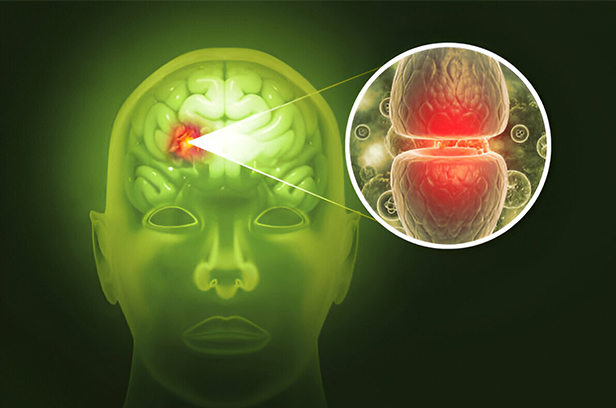
According to medical research, it has been seen that through stem cell therapy, Multiple Sclerosis can be treated. In the treatment of this condition, the Mesenchymal Stem Cells work on repairing the immune cells.
Through this, the lost myelin levels get restored. Through the use of Mesenchymal Stem Cells, the symptoms of Multiple Sclerosis can be reduced. Mesenchymal Stem Cells can result in skeletal muscle regeneration.
Mesenchymal Stem Cells transplantation might enhance the patient’s clinical symptoms via defective gene correction and muscle cell regeneration.
Mesenchymal Stem Cells result in an apparent therapeutic benefit in disease models by their immunomodulatory effect, which is another underlying mechanism of Mesenchymal Stem Cells (MSCs) for treating Muscular Dystrophy (MD).
Get Stem Cell Treatment For Multiple Sclerosis
- For the treatment of Multiple Sclerosis, stem cell treatment plays an effective role in repairing the nerve damage in the patients. Stem Cell Treatment is a breakthrough innovation through which the patients suffering from Multiple Sclerosis can be treated. The myelin, which is the protective layer of the nerve cells, gets depleted in this medical condition.
- Globally, Canada is reported to have the greatest number of multiple sclerosis cases in the world.
- Global Stem Cell Care provides an effective treatment for multiple sclerosis through which the neural damage gets treated. A healthy immune system is generated in the body of the patient through this treatment. The immune system has a major role to play in protecting our body, and that gets a major boost through stem cell treatment.
- Improvements can be seen in the patients after the stem cell treatment, such as the neurological function gets re-established, and the body functions get restored.
How Stem Cell Therapy Works?
Global Stem Cell Care has a trusted and experienced team for the treatment of Multiple Sclerosis.
Stem cell treatment is a successful way through which this neural condition can be treated. The stem cell treatment of multiple sclerosis works to repair
the myelin of the nerve cells. Through this treatment, the symptoms of this condition get reduced, and the patient can resort back to normal life. There are many drugs that are used to treat this condition,
but they have major side effected, whereas stem cell treatment for multiple sclerosis does not have any side effects.
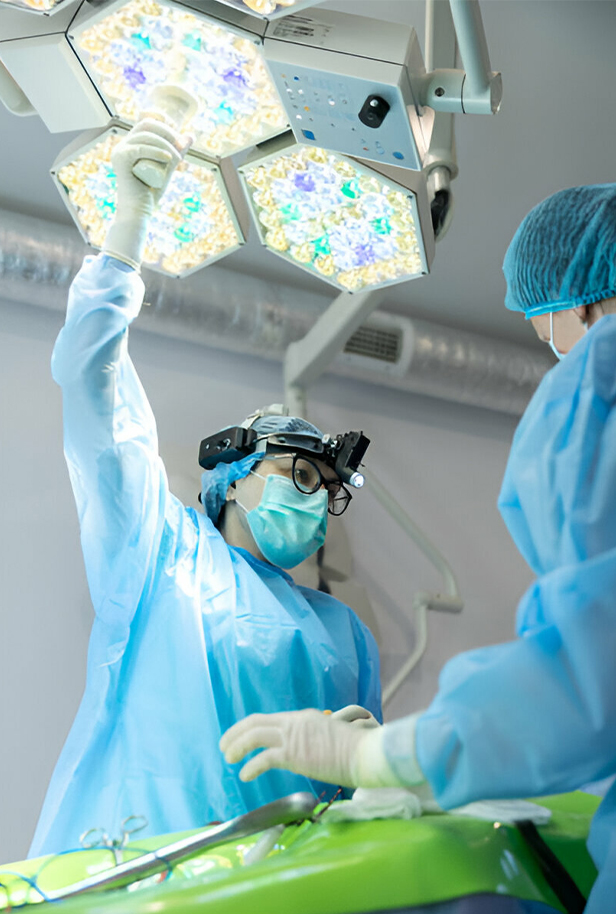
Implantation of stem cells is done through the best infusion methods by Global Stem Cell Care, through which the patients will be able to recover well.
VIP TREATMENT TO PATIENTS AT GLOBAL STEM CELL CARE
The therapy sessions given to the patients at Global Stem Cell Care occur in the VIP treatment room in the advanced clinic.
24*7 supervision is maintained on the patients by the efficient medical team.
Global Stem Cell Care highly recommends the patients stay for a minimum of 3 days in Hospital.

GLOBAL STEM CELL CARE TREATMENT PROCEDURE
- Pick up from the Airport to the Hospital
- Interaction between Dr and Patient, to clear all their doubts at that time
- Admission procedure
- Clinical examination & Lab test will be done prescribed by the doctor
- Supportive Therapy
- Stem cell Procedure
- Supportive therapies
- Physiotherapy
- Supportive Therapy
- Physiotherapy
- Discharging formalities
- Drop back to the Airport
- For Admission, carry the identity card (Passport/ Pan Card / Driving License)
- Carry the hard copy of Patient reports
WHAT TO EXPECT FROM STEM CELL TREATMENT FOR MULTIPLE SCLEROSIS?
Global Stem Cell Care provides the best medical treatment to patients suffering from Multiple Sclerosis. The treatment methodologies followed by the medical team of Global Stem Cell Care has no side effects as they provide the best healing to the patients.
The best of medical facilities and treatment is given to Global Stem Cell Care patients. Most of the patients show remarkable improvements in their condition.
For more than ten years, Global Stem Cell Care has been healing patients and increasing their quality of life.
In various patients, the effects of the treatment vary due to different biological factors. The Global Stem Cell Care patients get the quality services as there is a protocol that is followed by the team of Global Stem Cell Care that includes testing for the inflammation developing factors before the treatment commences.
The testing is done during the treatment also. Research is being done on the efficacy of Allogeneic Stem Cell Therapy, and for that, the data is required for future prognosis to know the treatment after-effects on the patient.

Improved motor functions and balance in the body
Vision gets increased
Decreased spasticity, neuropathic pain, tremor occurrence, and tiredness
Possible Improvement
Improvements can be seen in patients who undertake stem cell treatment for Multiple Sclerosis. The stem cell treatment is an innovative way in which the Mesenchymal Stem Cells are used for the effective repair of the damaged neurons.
Through this treatment, the improvements in the patients can be seen regarding the body functions, reestablishments of neuron functions, bowel movement, bladder control, enhanced muscle tone, improved muscle strength, and vision.
Through the treatment procedure of Global Stem Cell Care, the progression of this disease can be seen to slow down.
The following are improvements that can be seen in the patients who undertake stem cell treatment for Multiple Sclerosis:
Our Promise
At Global Stem Cell Care, we promise to revolutionise that how we treat multiple sclerosis (MS) by using stem cell treatment. We are without a doubt into making treatment easy, and we use the outstanding regenerative potential of stem cells to help with the complicated parts of this disease. Our way of doing things combines the state-of-the-art research, medical plans which can be made just for you, and we continually hold the point of interest on the males and females dealing with MS. Our intention is just not cure the symptoms but also provide long-lasting comfort and make life better for those who are suffering with this disease. We actually care about being the best and arising with new ideas, and at Global Stem Cell Care, we are leading the way in making stem cell therapies better, bringing desire and restoration to people with multiple sclerosis.


Cost
The cost of multiple sclerosis (MS) treatment using stem cells at Global Stem Cell Care can vary relying on several factors, which includes the particular protocol selected, the patient’s health condition, and the quantity of treatment required. Stem cell therapy for MS involve using specialised cells to restore damaged tissues and modulate the immune system. Costs commonly contains medical evaluation, stem cell harvesting, laboratory processing, and the administration of the therapy. It’s crucial for patients to consult with our experts to decide the maximum suitable and affordable therapy plan for their specific situation.
Success Rate
Global Stem Cell Care has been leading the way in finding new treatments for multiple sclerosis (MS) with the use of stem cell therapy. This treatment has been showing positive outcomes over the years. We use this treatment to apply stem cells at the damaged nerve tissues to fix them instantly which helps to prevent the disease from getting worse. While everybody’s experiences are different, many people have seen the results quickly while on the other hand many get some days to recover from the disease.Our doctors and researchers are doing regular research to enhance the regenerative potential of stem cells to cure multiple sclerosis.


Advantages
Advancements in treating Multiple Sclerosis (MS) have been significantly propelled by the innovative approach of utilising stem cells, notably through the expertise provided by Global Stem Cell Care. Let’s know about the advantages you can take from us and this treatment:
- Regeneration of Damaged Tissues: Stem cells have the potential to differentiate into various cell types, promoting the regeneration of damaged tissues in the central nervous system.
- Immune System Regulation: Stem cell therapy helps modulate the immune response, reducing inflammation and preventing further damage to nerve cells.
- Symptom Alleviation: Patients often experience a reduction in MS symptoms, such as fatigue, muscle spasms, and coordination issues, leading to improved daily functioning.
- Disease Modification: Stem cell treatment has shown promise in modifying the course of the disease, slowing down its progression.
- Personalised Treatment: Global Stem Cell Care tailors treatments to individual patients, considering their unique medical history and genetic factors.
Quality Control
Quality control is paramount in the treatment of multiple sclerosis (MS) through stem cell therapy at Global Stem Cell Care. We make sure everything is safe and works really well when we are dealing with stem cells. We check every little thing, like looking at the patients, getting the stem cells, and putting them back in. We are really careful and follow the rules from all around the world to make sure everything is top-notch. We use the latest technology and professionals to make sure everything is up to the international standards. We keep an eye on the patients all the time and check to see how they are doing with the treatment. At Global Stem Cell Care, we really care about making sure everything – the tools, the place, and the doctors – is the best it can be. So, we are all about giving the best and safest treatment for MS using cool stem cell therapies.
Quality Certificate
Each patient undergoes an external authentication process, typically conducted by a reputable laboratory, to ensure the quality, quantity, and viability of harvested cells. This detailed outside certification is like a comprehensive evaluation, making sure that the cells we get are top-notch in terms of how good they are, how many we have, and if they’re right for the medical stuff we want to do. It’s a really strict process to double-check everything, and it’s important to make sure our cell treatments are the best they can be. This way, people who need the treatment get the best and most effective care.

FOLLOW UP
Follow up the process of Global Stem Cell Care is very diligent as through this the improvement of the patient can be known. Patients are contacted at regular intervals to know the status of their health, and if problems are faced, then proper assistance is given.
FREQUENTLY ASKED QUESTIONS
What are the first symptoms of Multiple Sclerosis?
The first symptoms of Multiple Sclerosis are double vision, blurry vision, loss of vision, pain during movements of eyes. Also, in some cases, numbness can take place in the feet, legs, and face.
What are the symptoms of multiple sclerosis?
It is different for each individual. Patient may experience weakness, numbness, or tingling in the limbs, along with fatigue and vision or balance problems. Seeing signs early can help treatment begin sooner. Stem cell therapy can help improve nerve damage and reduce symptoms. To receive the proper diagnosis, a neurologist must be consulted.
Can stress cause multiple sclerosis?
There are other causes of MS besides stress. It might, however, cause symptoms. Inflammation can be worsened by both physical and emotional stress. Therefore, stress management is critical to enhancing both therapy results and general well-being. Additionally helpful are counselling, relaxation, and meditation. Treatment with stem cells helps in nerve repair. A healthy lifestyle also supports therapy. Stress’s negative effects on MS progression are mitigated by early care.
Is multiple sclerosis tough to diagnose?
Yes, diagnosis can be challenging. The symptoms may resemble other diseases. To isolate the reasons for the condition, the doctors use MRI, blood tests, and a neurological examination, observing the progression of the symptoms with time. It is imperative to get the correct diagnosis before any remedy begins. For stem cell therapy to be considered, diagnosis and eligibility assessment are utterly important. The professionals take the necessary steps to identify the correct cause of the condition presented. Early detection typically leads to improved success rates regarding the remedy and improved general well-being.
Can stem cell therapy reduce fatigue in MS patients?
Yes, therapy may help lower fatigue levels gradually. Stem cells improve nerve function and blood flow. Patients often notice more energy over months. Combined with physiotherapy, daily activities feel easier. Early treatment usually provides better results. Recovery varies per individual. Lifestyle habits like rest and nutrition enhance effects. Continuous medical supervision ensures safe progress.
How often are stem cell therapy sessions needed?
The frequency of the treatments depends on the severity of the diseases and the condition of the patient. Some patients only require one infusion, while others require multiple infusions. After the infusion, the condition of the patients is assessed. These follow-up appointments help to determine the effectiveness of the infusion. These infusion procedures are painless and completely safe. Rehabilitation of patients is done between these procedures.
Is stem cell therapy available in India for international patients?
Yes, India offers world-class stem cell therapy. Hospitals provide international patient support. Medical visas, accommodations, and transportation assistance are available. Advanced clinics ensure ethical and safe treatment. Multilingual support helps patients communicate effectively. Experienced doctors manage personalized treatment plans. Follow-up care can be coordinated remotely. Patients from multiple countries have successfully received therapy in India.
Can due to stress Multiple Sclerosis be caused?
There is no evidence that proves that through stress, Multiple Sclerosis can occur.
Is Multiple Sclerosis tough to diagnose?
Yes, Multiple Sclerosis is tough to diagnose because there is no particular detection medical test.
At what age does multiple sclerosis start?
Multiple sclerosis is most commonly manifested between the ages of 20 and 40, although occasionally it can affect seniors and children as well. Initially, the signs are usually mild and hard to detect. Genetics, lifestyle, and a number of other variables can contribute to the age and time of its manifestation. Early detection can be achieved through early diagnosis, thus early intervention and treatment. However, the use of stem cell therapy can help delay the condition and add functionality, although more effective results can be achieved with professional treatment and assistance.
Can Multiple Sclerosis be treated through stem cell treatment?
Yes, Multiple Sclerosis can be treated through stem cell treatment as the neurons that get damaged are replaced through this treatment.
At what age does Multiple Sclerosis start?
Multiple Sclerosis can start at the age of 20 to 40 years.
Who is eligible for stem cell treatment for MS?
Eligibility depends on age, disease stage, and overall health. Early to mid-stage works better. The condition of the patient, results of the MRI, blood tests, and the condition of the patient are considered by the physician. Serious complications and advanced conditions might warrant customized treatments. Children and the elderly demand separate attention when undergoing stem cell treatment. The procedure is customized to each patient undergoing the treatment.
Does stem cell therapy improve balance and coordination?
Stem cells support nerve repair in the brain and spinal cord. Improved nerve signals help with movement control. Patients may notice steadier walking and better posture. Physiotherapy complements these improvements effectively. Results appear gradually over weeks to months. Early intervention maximizes benefit. Long-term therapy supports daily functionality. Consistent exercises strengthen muscles and enhance coordination.
How do stem cells help in multiple sclerosis?
Stem cells release signals that repair nerve tissues. They reduce inflammation naturally. Therapy slows disease progression in many patients. Regeneration supports better muscle control and movement. Combined with rehabilitation, it enhances daily functionality. Early treatment usually shows stronger results. Therapy does not cure MS but improves life quality. Regular follow-ups monitor recovery and effectiveness over time.
Is long-term follow-up necessary after therapy?
Yes, regular monitoring ensures therapy success and safety. Doctors track symptoms, mobility, and inflammation. Follow-ups adjust care for optimal recovery. They help detect new complications early. Patients may undergo periodic MRI or blood tests. Continuous supervision improves long-term quality of life. Rehabilitation and lifestyle guidance are reinforced during follow-ups. Commitment to check-ups enhances therapy benefits significantly.
Conclusion:
Multiple Sclerosis affects the brain and spinal cord severely. The immune system of the body attacks the protective layer of the nerves called the myelin sheaths, which damages the nerves and clouds the messages from the brain to the body.
Stem cell therapy is a ray of hope for repair and recovery. This treatment has purposes ranging from regenerating the damaged nerve cells to regulating the inflammation process. With continued treatment, a person may notice incremental improvements in strength and coordination, with fatigue and muscle weakness lessening. Sight and balance problems will also improve with continued treatment. Early treatment is essential for success with stem cell therapy, and personalized treatment is also essential for maximizing its benefits. Rehabilitation therapy, coupled with physiotherapy, serves as a complementary groundwork for this therapy. The presence of strong support within circles of friends, relatives, and sound emotional health is essential in this journey too.
Regular check-ups with health providers monitor developments and make necessary adjustments in therapy. The therapy itself has been found to be completely safe and less invasive. Patients regain independence in daily activities gradually. Improvements in nerve function lead to better quality of life.
The Global Stem Cell Care team provides expertise and ensures that the process for international patients goes smoothly and is thorough. Although the stem-cell approach is not yet an absolute cure for those with MS. But it is effective for halting the progression of the disease and reducing symptoms. Becoming the most effective means possible dedication and the right mentality. This is an approach that is very promising and helps those with MS retrieve their mobility and confidence.
Treatment Disclaimer:
We provide consultation, case evaluation, and patient support services in the field of regenerative medicine. As per current medical guidelines in India, stem cell-based interventions (other than approved indications) are considered investigational and are available only within regulated clinical research settings. For patients exploring broader options, we also assist in facilitating access to treatment pathways, including internationally accredited centers where different regulatory frameworks may apply.
Useful Tags
Stem Cell Treatment for multiple sclerosis, Stem Cell Therapy for multiple sclerosis in India, Stem Cell Therapy for multiple sclerosis Cost in India, Affordable Stem Cell Therapy for multiple sclerosis in India, Low Cost Stem Cell Therapy for multiple sclerosis in India, Price of Stem Cell Therapy multiple sclerosis in India, stem cell treatment for multiple sclerosis in Delhi, stem cell treatment for multiple sclerosis in India, stem cell Hospital for multiple sclerosis in Delhi, stem cell Hospital for multiple sclerosis in India