📅 Published on: May 24, 2024 | 🔄 Updated on: March 28, 2026 | By: Global Stem Cell Care India
Key Takeaways
- 01:Understanding Systemic Lupus Disease : Systemic lupus is a very severe autoimmune disease that influences various organs. The body accidentally launches an attack on itself. Systemic lupus can occur in the skin, joints, organs, or heart. Arthritis, fatigue, and a skin rash can be found in individuals who have this kind of disease. Flares can develop very quickly, then go into remission. Conventional care deals primarily with relieving symptoms. Nothing can be done to provide a cure, as there is no long-term treatment available. If untreated, Systemic lupus may cause organ damage.
- 02:How Stem Cells Help : Stem cell treatment provides an alternate method of lupus management based on the principle of regeneration. These special cells repair the damaged tissues within the affected organs. These cells prevent the immune system from attacking the healthy tissues and lower the inflammation caused by lupus. Stem cell treatment can minimize the symptoms of lupus and disease flare-ups. These cells provide long-term relief from the effects of lupus. These cells repair the weakened organs caused by lupus. These cells provide sustained improvement in the quality of living.
- 03:Stem Cell Care for Lupus Patients : India offers the best stem cell therapy treatment for people suffering from lupus. Dedicated clinics provide treatment plans to each patient according to their requirements. The treatment method is the least invasive. Trained staff members observe all the proceedings. Sophisticated infrastructure for regenerative medicine provides safety as well as the best possible treatment. Patients can opt to minimize the consumption of immunosuppressants. Patients can undergo observation. Supportive modalities improve treatment outcomes. India also provides treatment plans that are not very costly.
- 04:Long-Term Benefits Observed : Stem cell treatment can provide long-term relief to patients with lupus. The treatment has natural immune system modulation and reduces inflammation effectively. The overall health of the bone, kidney, and joints can significantly improve with time. The resistivity of organs can increase, and the overall strength of the body can strengthen as well. The treatment can reduce long-term complications associated with lupus effectively. The treatment is awaiting further studies to prove its efficacy and safety.

Get Stem Cell Therapy for Systemic Lupus in Delhi, India
Systemic Lupus, also known as lupus, is a chronic autoimmune inflammatory disease. From cold-like symptoms to organ failure, lupus can cause a broad range of responses. This can involve inflammation, swelling, damage to the skin, and vital organs. The butterfly-shaped skin rash that occurs on the face of an individual is most frequently associated with it. About 5 million people worldwide are affected by Lupus, and there is currently no cure. The joints, skin, kidneys, blood cells, brain, heart and lungs can be affected by Lupus (SLE). The symptoms differ, but fatigue, joint pain, rash, and fever can be included. These can get worse occasionally (flare up) and then improve. Current therapies concentrate on improving the quality of life by managing symptoms and minimizing flare-ups, but there is no cure for lupus.
Best Stem Cell Treatment for Systemic Lupus in India
Make yourself live again with the help of stem cell treatment for systemic lupus in India at Global Stem Cell Care. We provide you with the best stem cell therapy to stop the disease progression and treat it from the roots. Stem cells are capable of reducing the symptoms of systemic lupus by its potential to regenerate the damaged tissues. After various research, our researchers came to the conclusion that this condition can be treated by mesenchymal stem cells. MSCs can be segregated into the bone and cartilage which can greatly help with tissue regeneration. Our doctors are highly trained and make sure you get the suitable treatment option according to your needs.
Do you Know About Systemic Lupus?
Typically, lupus is induced by a genetic disposition combined with environmental factors. When exposed to particular environmental components, people with a genetic predisposition may have a higher risk of lupus growth.
In females between the ages of 15 and 45, lupus is most frequently diagnosed.
Lupus complications from some prescription drugs may also be contracted. Drugs typically associated with this type of Lupus are the following:
Hydralazine, a treatment for hypertension
Procainamide, a treatment for heart arrhythmia,
Isoniazid, an antibiotic used in tuberculosis care (TB)Drug-induced Lupus usually disappears after the person discontinues the medication.
Typically, lupus is induced by a genetic disposition combined with environmental factors. When exposed to particular environmental components, people with a genetic predisposition may have a higher risk of lupus growth.
In females between the ages of 15 and 45, lupus is most frequently diagnosed.
Lupus complications from some prescription drugs may also be contracted. Drugs typically associated with this type of Lupus are the following:
Hydralazine, a treatment for hypertension
Procainamide, a treatment for heart arrhythmia,
Isoniazid, an antibiotic used in tuberculosis care (TB)Drug-induced Lupus usually disappears after the person discontinues the medication.
Symptoms of Systemic Lupus
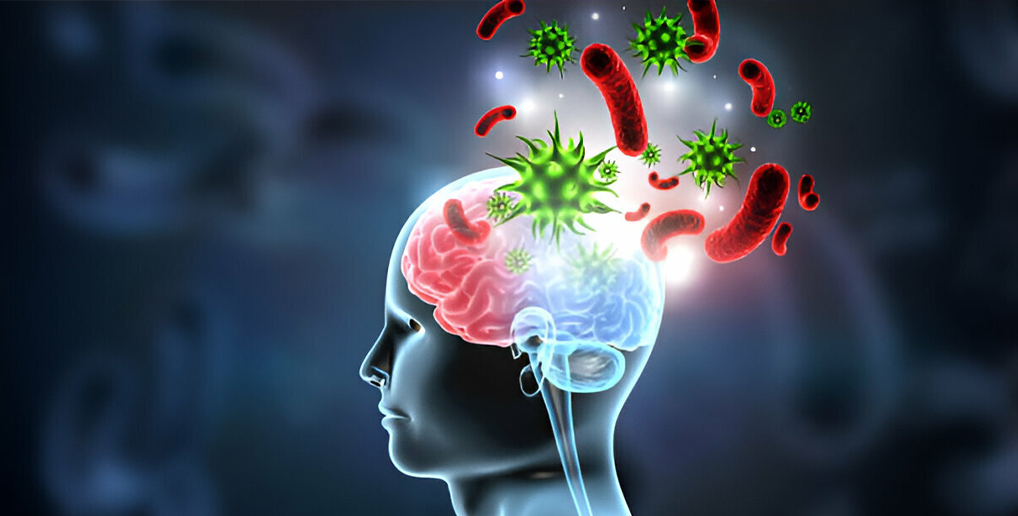
Very frequently, to protect the body from bacteria, viruses and other threats, the immune system is used. The immune system has difficulty separating healthy cells inside the body from foreign antigens in patients with autoimmune disorders such as Lupus. Inflammation, discomfort and tissue damage are caused by this immune deficiency.
In response to sunlight, minor infections, and even prescription drugs, symptoms may flare. Lupus causes cells in the body to start attacking the body itself, like other autoimmune disorders. This autoimmune reaction causes the body to have massive quantities of harmful inflammation, which can lead to more serious complications quickly.
While common symptoms, such as rashes and joint pain, are mild and treatable, serious cases of Lupus may lead to organ failure. Lupus has shown the capacity of the kidneys, central nervous system, circulatory system, lungs and heart to cause failure.
Global Stem Cell Care offers the best and the most reliable treatment for chronic diseases using stem cell therapy. With experts in the team to take care of the patient, Stem cell therapy offered by Global Stem Cell Care is best-in-class
- Rash
- Chest pain
- Hair loss
- Inflammation
- Muscle & joint pain
- Sensitivity to sun
- Kidney issues
- Fever
- Fatigue
- Ulcer in the mouth

Diagnosis of Systemic Lupus
A single diagnostic procedure for systemic lupus does not exist. The test that you will hear most about is called the test for an antinuclear antibody (ANA). However, this isn’t a particular measure for lupus. In reality, to diagnose physical changes or disorders in the body that may occur with lupus, a range of laboratory tests are used. Each test result adds more data to your doctor’s image of your illness.
- The present symptoms.
- The results of the laboratory testing.
- The medical record.
- Medical history of members of your immediate family (grandparents, parents, brothers and sisters, aunts, uncles, cousins).
Global Stem Cell Care offers the best treatment for major chronic diseases. In case you are suffering from some health issue that might appear very difficult to solve.
Types
Drug-Induced Lupus
- Muscle pain
- Fever
- Tired feeling
- Weight loss
- Swelling with joint pain
- Inflammation around the lungs or heart that causes pain or discomfort
Neonatal Lupus
- Ring-like rashes
- Congenital heart block
- Difficulty feeding
- Excessive fatigue and lethargy
- Liver issues
Cutaneous Lupus
- Rash that extends across the cheeks
- Red, scaly areas of skin
Systemic Lupus is an autoimmune disorder in which the body’s immune system mistakenly attacks healthy tissue. It is believed to arise from a combination of genetic and environmental factors.
It is believed that some individuals are genetically predisposed to lupus, and that this predisposition may be activated when they are exposed to certain environmental triggers. In most cases, however, the cause of lupus remains unknown.
Some potential triggers include:
- Sunlight: Exposure to the sun may bring on lupus skin lesions or trigger an internal response in susceptible people.
- Infections: An infection can initiate lupus or cause a relapse in some people.
- Medications: Lupus can be triggered by certain types of blood pressure medications, anti-seizure medications, and antibiotics. People who have drug-induced lupus usually get better when they stop taking the medication. Rarely, symptoms may persist even after the drug is stopped.
Physical Therapy
Exercise is beneficial for patients with systemic lupus because it decreases their muscle weakness while simultaneously increasing their muscle endurance. Physical therapists can play an essential role for patients with SLE during and between exacerbations. The patient’s need for physical therapy will vary greatly depending on the systems involved. Physical therapists can educate patients on appropriate energy conservation techniques and the best ways to protect joints that are susceptible to damage.
Dietary Modifications
Diet Counselling is the supportive methodology that boosts your recovery from a disease, boosts immunity, heals damaged cells, and even replaces the dead ones with new cells. In consultation with a dietician at Global Stem Cell Care. In general, people with lupus should aim for a well-balanced diet that includes plenty of fruits, vegetables, and whole grains. It should also contain moderate amounts of meats, poultry, and oily fish. This healthcare plan will assist in the treatment of the patient faster.
Acupuncture
Some research suggests that acupuncture may be beneficial for treating autoimmune disease in general, possibly by stimulating the lymphatic system, which plays an integral part in your immune function and is believed to be dysfunctional in autoimmune disease. The patients with lupus reported that acupuncture reduced pain, improved sleep quality, and enhanced the quality of life. Acupuncture is used to relieve symptoms of a multitude of illnesses. It involves the placement of fragile needles—about the width of a hair—in specific places around the body.
Occupational Therapy
This therapy treats patients with the varying symptoms that can be experienced when a diagnosis of lupus is present and aim to increase mobility so that patient can perform activities that are necessary or desired in areas such as self-care, home management, work leisure, and social participation. Occupational therapies will work with the client in adapting and modifying their daily living and instrumental activities of daily living to decrease, avoid, and prevent dysfunction and promote and improve, where possible, a healthy lifestyle.
n.
Sofia Mathew From UK Came To India For The Treatment Of Systemic Lupus Via Stem Cells
For the last few years, I have been suffering from systemic lupus, so I consulted Global Stem Cell Care, and trust me, they have treated me very well. I am very happy with my results so far. There is a lot of improvement. I have been to many doctors, and I have had a lot of procedures done, but this one was very different. I had stem cell injections, and they worked very well for me. It is a less painful treatment. I was very happy with the results. I would recommend it to anyone.
Jennifer Walton From The Netherlands Visited India For Stem Cell Treatment
I was trying to conceive a child but was unable to do that. Then I consulted a doctor for help, and they said I was suffering from systemic Lupus. I was very helpless after hearing that. However, my husband motivated me to undergo stem cell treatment in India. After the treatment under the supervision of Global Stem Cell Care staff, now after the treatment, I am very happy with the result, and I want to thank the team as they handle my case very professionally.
Jaspreet Kaur Underwent Stem Cell Therapy For Systemic Lupus In India
I found the best stem cell treatment for systemic lupus from India through Global Stem Cell Care. I was initially skeptical, but the results and the rate at which I improved my condition were commendable. I’ll admit that I was terrified but somehow felt confident, too, as the staff there had explained to me every area of the transplantation process in simple terms. I’m happy to be healthy and fit.
Sofia Mathew From UK Came To India For The Treatment Of Systemic Lupus Via Stem Cells
I visited Global Stem Cell Care for stem cell therapy for my condition, systemic lupus, with a high hope of finding a cure. I opted for Stem Cell Therapy and was administered the treatment. I was surprised to see the results. My lupus symptoms were all gone in just a few weeks, and I could resume my everyday life. I can say, in all honesty, that stem cell therapy has given me a new lease on life.
Related Disorders for Stem Cell Treatment
- stem cell therapy for myofascial pain
- allogeneic stem cell transplant osteoporosis
- stem cells and osteopenia
- stem cells osteomalacia therapy
- stem cells spinal cord injury
- Can stem cells cure arthritis?
- mesenchymal stem cells sports injuries
- stem cells for treating ankylosing spondylitis disease
- osteoarthritis mesenchymal stem cells
Implantation
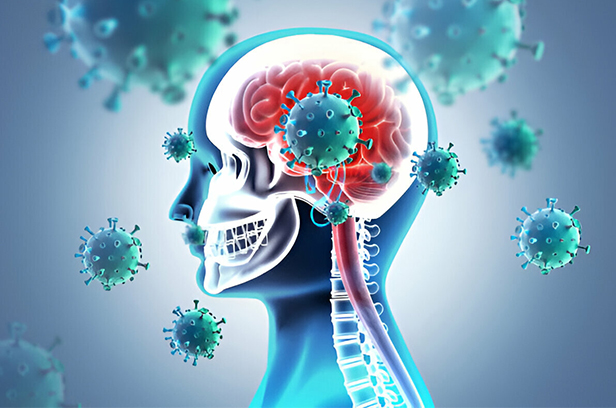
Systemic Lupus treatment is offered by Global Stem Cell Treatment provides the best stem cell therapy. During care, the implantation stage is very critical.
The autologous mesenchymal foundational microorganisms from the bone marrow are the stem cells used in the implantation stage.
Stem cells are separated by an unusual machine from a large portion of the bone marrow and injected by intra-thecal infusion; the remaining bone marrow is sent to a cell intensification research center and cytoplasmic markers are provided to create neuro-ancestor cells. Intravenous dribbling infuses these ancestor cells.
The following is the structure that is followed during the implantation stage:
- Intravenous administration
- Liberation angioplasty
- Intrathecal (lumber puncture)
- Intraarterial
- Subcutaneous
- Surgical administration for stroke
- Intramuscular
MECHANISM
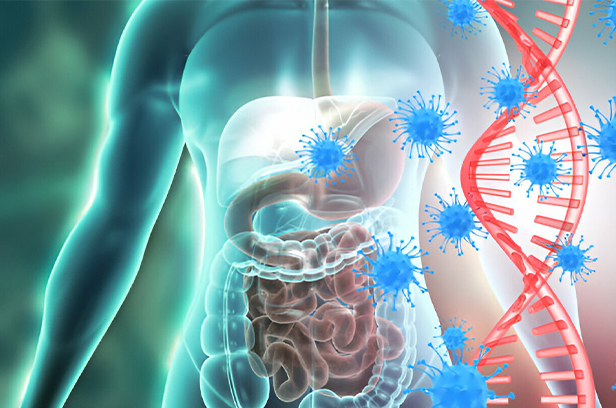
A type of stem cell that has been researched with reference to SLE is multipotent mesenchymal stem cells (MSCs). Among other types of cells, MSCs are able to transform into bone cells, fat cells, cartilage cells. They have some proteins on the surface that interact with various proteins found in the immune system. A type of stem cell that has been researched with reference to SLE is multipotent mesenchymal stem cells (MSCs). Among other types of cells, MSCs are able to transform into bone cells, fat cells, cartilage cells. They have some proteins on the surface that interact with various proteins found in the immune system.
It was found that MSCs modify the immune response of various populations of cells. In the immune system, T-cells and dendritic cells are essential cells. MSCs minimize T-cell numbers and inhibit the pathways used by T-cells to respond to signals from the immune system. The output of cells which cause an inflammatory reaction is also reduced by MSCs. B cell proliferation, another essential cell in the immune system, is also inhibited by MSCs.
Finally, stem cells taken with SLE from humans are being tested. It has been shown that MSCs from patients with SLE have reduced bone-forming function, are flatter than they should be and develop slower than other MSCs. They also observed that T-cells were more likely to be increased by SLE positive MSCs. Such MSCs were also more likely than control MSCs to die. Global Stem Cell Care has been successfully executing stem cell treatment on patients with expert care and precautions. If you are looking for a reliable stem cell treatment for Systemic Lupus, get in touch with us for the best help.
MECHANISM
A type of stem cell that has been researched with reference to SLE is multipotent mesenchymal stem cells (MSCs). Among other types of cells, MSCs are able to transform into bone cells, fat cells, cartilage cells. They have some proteins on the surface that interact with various proteins found in the immune system. A type of stem cell that has been researched with reference to SLE is multipotent mesenchymal stem cells (MSCs). Among other types of cells, MSCs are able to transform into bone cells, fat cells, cartilage cells. They have some proteins on the surface that interact with various proteins found in the immune system.
It was found that MSCs modify the immune response of various populations of cells. In the immune system, T-cells and dendritic cells are essential cells. MSCs minimize T-cell numbers and inhibit the pathways used by T-cells to respond to signals from the immune system. The output of cells which cause an inflammatory reaction is also reduced by MSCs. B cell proliferation, another essential cell in the immune system, is also inhibited by MSCs.
Finally, stem cells taken with SLE from humans are being tested. It has been shown that MSCs from patients with SLE have reduced bone-forming function, are flatter than they should be and develop slower than other MSCs. They also observed that T-cells were more likely to be increased by SLE positive MSCs. Such MSCs were also more likely than control MSCs to die. Global Stem Cell Care has been successfully executing stem cell treatment on patients with expert care and precautions. If you are looking for a reliable stem cell treatment for Systemic Lupus, get in touch with us for the best help.

Get Stem Cell Therapy for Systemic Lupus
Stem cell therapy, in particular for people who do not respond well to more conventional types of treatment, may be one of the most exciting new dimensions of Lupus treatment medicine.
For over ten years, doctors have been treating Lupus patients with mesenchymal stem cells. Evidence has shown that mesenchymal stem cells (MSCs) could improve the activity of the disease, proteinuria (urine protein reduction) and hypocomplementemia (marker of disease activity in patients with Lupus.
Although the meta-analysis suggests that to confirm the efficacy and safety of MSC treatment in SLE patients, large-scale and high-quality randomized controlled trials are needed. 15 patients with persistently active Systemic Lupus Erythematosus were included in the study (SLE). Effects measured by SLE disease activity index (SLEDAI) changes, serological characteristics (anti-nuclear antibodies and anti-dsDNA), renal function and percentage of peripheral blood regulatory T cells.
Through stem cell treatment, there is the regeneration of nerve tissues, blood supply improvements, and reduction in inflammation. Global Stem Cell Care provides the best treatment for Systemic Lupus that is sure to improve your overall health.
HOW GLOBAL STEM CELL CARE THERAPY WORKS?
Global Stem Cell Care ethically sourced from AATB approved, US-donated, full-term human umbilical cords, cord tissue-derived mesenchymal stem cells are used.
We administer over 300 million cells, all of which are carefully tested before treatment for viability.
These cells are NOT a blood product, so they are highly secure and do not need HLA or phenotypic matching.
In our VIP recovery room situated inside our advanced facility, all patients undergo therapy.
Patients are under close monitoring from both our medical director and the medical staff that helps them. We usually recommend that patients stay in Grand Cayman for treatment for a minimum of 4 days.
Global Stem Cell Care ethically sourced from AATB approved, US-donated, full-term human umbilical cords, cord tissue-derived mesenchymal stem cells are used.
We administer over 300 million cells, all of which are carefully tested before treatment for viability.
These cells are NOT a blood product, so they are highly secure and do not need HLA or phenotypic matching.
In our VIP recovery room situated inside our advanced facility, all patients undergo therapy.
Patients are under close monitoring from both our medical director and the medical staff that helps them. We usually recommend that patients stay in Grand Cayman for treatment for a minimum of 4 days.
VIP TREATMENT TO PATIENTS AT GLOBAL STEM CELL CARE
The therapy sessions given to the patients at Global Stem Cell Care occur in the VIP treatment room in the advanced clinic.
24*7 supervision is maintained on the patients by the efficient medical team.
Global Stem Cell Care highly recommends the patients stay for a minimum of 3 days in Hospital.

GLOBAL STEM CELL CARE TREATMENT PROCEDURE
The treatments that take place in Global Stem Cell Care are of 3 days. The treatment protocol is safe and non-invasive. The patients can travel the next day. The following is the day-wise schedule for the patients.
- Pick up from the Airport to the Hospital
- Interaction between Dr and Patient, to clear all their doubts at that time
- Admission procedure
- Clinical examination & Lab test will be done prescribed by the doctor
- Supportive Therapy
- Stem cell Procedure
- Supportive therapies
- Physiotherapy
- Supportive Therapy
- Physiotherapy
- Discharging formalities
- Drop back to the Airport
- For Admission, carry the identity card (Passport/ Pan Card / Driving License)
- Carry the hard copy of Patient reports
Our Promise
Global Stem Cell Care is the best stem cell hospital in India and willing to provide the best amenities to the patients who are suffering from various medical conditions including systemic lupus. We promise you to provide the best compassionate care and other facilities which are essential for treatment procedures. Our team of experts ensure that you don’t have any doubts about stem cells. That’s why they conduct a consultation session before the treatment. We are committed to taking care of you from the admission date to discharge. We use the latest technologies and techniques to assure the safety of our patients.


Cost
Stem cell therapy for systemic lupus can be an expensive way to treat the condition but not in Global Stem Cell Care. We offer affordability in our treatment procedure so that everyone can afford it without any problem. Although stem cell therapy is widely recognised as an expensive treatment option, and in general this may be true, the cost of stem cell therapy for systemic lupus is incredibly small in comparison to the total cost of utilising traditional treatments. Because of recent advancements in the field of Medicare, stem cell therapy is even more affordable in India, and as a result, the country has begun to establish itself as a global hub for high-quality stem cell treatment. In this fiercely competitive market, the cost of care is mostly determined by the medical history, current state, kind of ailment, amount of stem cells needed, age, and weight of the patient.
Success Rate
The effectiveness of systemic lupus treatment varies from person to person and is higher in some due to unknown factors; however, our facility’s average overall success rate, when paired with supplementary therapies, places it among the top stem cell therapy centres in India. After receiving stem cell therapy, the majority of the patients’ worrisome rashes were discovered to be healing amazingly quickly. Following stem cell therapy, the majority of patients also reported that the inflation had become more tolerable. The stem cells successfully inhibit the faulty immune cells and label them for excision from the body. It was also discovered that some patients had improved mentally after therapy and were more active.


Advantages
Global Stem Cell Care is providing hope for the people who are suffering from systemic lupus by using stem cell therapy in India. These cells have the ability to differentiate into specialised cell types to restore the damaged tissues and reduce the symptoms. Like this, stem cell therapy provide many advantages and some are mentioned below:
- Numerous clinical trials have demonstrated the safety of stem cell therapy in the absence of any negative effects.
- Using stem cells can help the body become more regenerative; they can also identify damaged cells and replace them with new ones that will provide an even more effective treatment.
- In order to prevent any further complications, stem cell therapy’s regenerative and protective effects also continue for a long time.
- The best outcomes are anticipated since stem cell therapy is applied directly to the afflicted location, maintaining a high level of treatment resilience.
- Compared to western countries, the cost of stem cell therapy in India is relatively modest and is less than the total amount spent on traditional treatments.
Quality Control
We take notes on several things when it comes to quality control of stem cell therapy. Global Stem Cell Care provides stem cell therapy for those who need it the most and proudly say that we take care about the quality of our treatment. To guarantee that our patients receive the finest possible care, we have put in place a number of quality control procedures:
- Thorough screening ensures appropriate candidates for treatment, considering medical history and current condition.
- Adherence to established protocols guarantees consistency and reliability across treatments.
- State-of-the-art facilities maintain stringent quality standards and regulatory compliance.
- Regular assessments track patient progress, enabling timely adjustments and interventions.
- Comprehensive follow-up care sustains treatment efficacy and monitors for any adverse effects, ensuring patient well-being post-treatment.
Quality Certificate
Global Stem Cell Care offers a quality certificate for treating systemic lupus with stem cell treatment. This certification signifies adherence to rigorous standards in patient care and treatment efficacy. Through cutting-edge stem cell therapy, they aim to alleviate symptoms and improve the quality of life for those with systemic lupus. The certificate underscores their commitment to excellence in medical practice, employing state-of-the-art techniques and experienced professionals. Patients can trust in the credibility and effectiveness of the treatment, backed by thorough research and clinical expertise. With this certification, Global Stem Cell Care affirms its dedication to providing the highest standard of care for systemic lupus patients.

What to Expect from Stem Cell Treatment for Cerebral Palsy?
The condition can be balanced by a good treatment for lupus as the symptoms flare and subside. Until recently, however this balance has not been reached by conventional care and therapy. We also found that new hope for the intractable autoimmune condition exists with a patient’s own adult stem cells.
Intravenous administration of adult stem cells has been reported to restore normal body function to lupus-affected tissues and organs, also reducing or removing the need for steroid and immunosuppressant drugs. Adult stem cells are undifferentiated, which means they can transform into the cells of many of the body’s organs and tissues.
Useful in countless treatments, by cell division, they rebuild damaged fibers and revitalize dying cells, a mechanism through which they multiply forever. Over recent years, the science of stem cell therapy has significantly improved, with much progress being made in new treatment possibilities.
A specific SVF deployment protocol has been developed to take advantage of the immuno-regulatory and anti-inflammatory properties of SVF (which is rich in mesenchymal stem cells and growth factors). This protocol is aimed at reducing the effects of Lupus and involves administering SVF systemically, which may necessitate multiple doses.
SVF harvesting and procurement can be done as an outpatient procedure.
Global Stem Cell Care offers the best help when it comes to stem cell therapy. The best and the most reliable stem cell treatment for chronic diseases is offered by stem cell hospitals in India.
 Difficult-to-control lupus
Possible Improvement
Stem Cell Care offers the best treatment in Delhi, which can include potent anti-inflammatory medications, hormones, and chemotherapy, is aimed at avoiding flares and managing symptoms as they arise. Active lives can be led by most individuals with lupus. But lupus can be crippling, even life-threatening, for those who do not respond to the normal therapies. That’s why it is so thrilling to talk of success with an aggressive treatment for difficult-to-control lupus.
FOLLOW UP
The follow up is the most important stage through which the doctors make the assessment of the condition of the patient. Without the follow-up, the treatment of Systemic Lupus cannot be completed. According to the doctor’s recommendation, the patient has to come to visit.
FREQUENTLY ASKED QUESTIONS
Q. Are there different types of lupus?
A. The different types of lupus include:
The most common type is Systemic Lupus Erythematosus (eh-RITH-eh-muh-TOE-sus). The term’ systemic means that many parts of the body may be involved in the disease. Symptoms of SLE may be mild or extreme.
Discoid lupus erythematosus affects predominantly the skin. There may be a red circular rash, or the skin may change color on the face, scalp, or elsewhere. Discoid lupus rashes, until it heals, often leave scars or light-colored patches of skin.
Drug-induced lupus is caused by a particular treatment. It is like SLE, but typically the symptoms are milder. Most of the time, when the medication is stopped, the condition goes away. More males are developing drug-induced lupus because hydralazine and procainamide, the medications that cause it, are used to treat heart problems that are more common in males.
Q. Lupus can also affect the skin. How does this happen?
A. Cutaneous lupus erythematosus, which is skin lupus, is present in around two-thirds of people with lupus. Lupus skin disease can cause rashes or sores (lesions), most of which occur in areas exposed to the sun, such as the face, ears, neck, arms and legs.
Q. What are common triggers for a lupus flare?
A. It is normal to feel fatigue in patients with lupus, especially if they live a high-energy lifestyle. One of the signs of a flare is fatigue, making it difficult for some busy and high-energy patients to know whether lupus is linked to their exhaustion. Fevers, rashes (such as facial ‘butterfly’ rashes), increased fatigue, mouth sores, and leg pain may occur in patients.
Q. Why is exercise so important in managing lupus, and what exercises could I do with lupus?
A. Exercise, particularly for the exceptionally healthy who may not suffer from any health problem, is an effective way to take care of yourself. But because exercise provides so many advantages, for people with lupus, it is especially beneficial.
Q. What are common triggers for a lupus flare?
A. It is normal to feel fatigue in patients with lupus, especially if they live a high-energy lifestyle. One of the signs of a flare is fatigue, making it difficult for some busy and high-energy patients to know whether lupus is linked to their exhaustion. Fevers, rashes (such as facial ‘butterfly’ rashes), increased fatigue, mouth sores, and leg pain may occur in patients.
How does stem cell therapy target systemic lupus damage?
In stem cell therapy, immune system function is managed using special cells. The function of the immune system is reduced because it causes inflammation in healthy tissues. Stem cells assist in restoring organs damaged by lupus. They facilitate the body’s healing process. This helps in reducing inflammation in the organs. Cells move to the affected parts to help the body heal. The process is not an instant cure for lupus. Long‑term monitoring improves treatment success.
Are stem cells sourced from the patient or donors?
Stem cells can come from multiple sources. They may be from the patient’s own bone marrow or fat. Donor‑derived stem cells like umbilical cord are also used. These cells are tested for safety before use. Clinics always screen donors for infections and compatibility. Using personal cells reduces rejection risk. Both sources aim to improve immune balance safely.
Does stem cell therapy stop lupus flare‑ups completely?
Stem cells cannot guarantee total elimination of flare‑ups. Many patients show reduced flare frequency after treatment. Inflammation tends to decrease gradually. Symptoms like joint pain and rashes may lessen over time. Treatment strengthens immune regulation rather than erasing lupus. Lifestyle and medicine support help too. Good follow‑ups monitor progress and adjust care as needed.
What kind of tests are required before therapy?
Before therapy, doctors evaluate overall health status. Blood tests check immune activity and organ function. Imaging like ultrasound or X‑rays may assess damage. Specific lupus markers are measured in lab tests. These help plan personalized therapy protocols. Heart and kidney checks ensure safe treatment. These tests help tailor stem cell dosage and timing precisely.
How long is the treatment process in India?
Stem cell treatment typically requires a short hospital stay. The main therapy may complete in a few days. Additional follow‑up visits continue over months. Doctors usually schedule periodic check‑ups after discharge. Most work includes monitoring organ function regularly. Full recovery and assessment take several months. Timeframes vary per patient’s severity and health.
Is stem cell therapy painful or invasive?
Most stem cell procedures are minimally invasive. Cells are delivered through simple injections or IV infusion. Pain or discomfort is generally mild and temporary. Clinics use local anesthesia when needed. Patients usually rest after treatment. Severe pain is rare under expert supervision. Medical teams ensure comfort throughout the process.
What improvements can patients expect after therapy?
Many patients report reduced joint pain and fatigue. Inflammation levels may drop over time. Organs like kidneys may show better function. Some see fewer frequent flare‑ups. Sleep and energy levels often improve. Treatment works gradually, not instantly. Individual results vary widely by condition and age. Regular assessments track progress carefully.
Are there any side effects I should expect?
Mild fever or soreness may occur shortly after commencement. Such reactions fade quickly. Serious side effects are rare with expert care. Specialists keep the patient under strict observation after treatment. Any side effect receives immediate attention. Long-term safety studies are still ongoing and seem promising. Follow‑ups help catch rare issues early.
Can stem cell therapy work for severe lupus cases?
Yes, many cases of lupus can be treated with therapy. However, not all qualified patients are suitable. Cases with severe organ damage require individual assessment. Specialists use stem cells, along with supportive care, to treat such cases. Careful patient screening guarantees patient safety. Cases with severe symptoms necessitate more frequent follow-up sessions. The body’s immune system reorganization prevents severe symptom exacerbation.
How soon will I notice improvements after treatment?
Some patients feel changes within weeks after therapy. Pain or swelling may lessen early on. Full benefits often take several months. Tissue regeneration is gradual and internal. Follow-up appointments enable progress monitoring. A healthy lifestyle and healthy eating habits promote quicker progress. Every individual reacts in a unique way to treatment.
Does nutrition influence stem cell therapy outcomes?
Proper nutrition helps with immunity and tissue regeneration. Calcium, vitamin D, and antioxidants are useful. Malnutrition hinders the healing process. Physicians advise healthy eating during follow-ups. Healthy eating promotes long-term benefits from treatments. Nutrition aids with cell regeneration. Diet changes help maintain results.
Can I combine stem cell therapy with other lupus treatments?
Yes, many patients continue other treatments safely. Doctors coordinate medications alongside stem cells. This supports better immune control and comfort. Care teams adjust plans based on progress. Combination therapy often improves results. Regular monitoring ensures safe treatment interactions. Patients should always consult their care team before changes.
Conclusion:
Lupus is an autoimmune condition that impacts multiple organs. This condition impacts the immune system, causing it to attack the skin, joints, and kidneys. This consequently results in inflammation, pain, and the dysfunction of organs. Conventional treatment for lupus includes the use of steroids as well as immunosuppressive drugs. These drugs are used to manage symptoms associated with lupus. However, the condition cannot be cured. Patients experience frequent episodes as a result of the side effects.
Stem cell therapy provides an innovative means for regeneration in India. These centers employ mesenchymal stem cells (MSCs) in this regard. MSCs have been recognized for their ability to regulate the immune response and suppress inflammation. They help calm the overactive immune system causing lupus attacks. This may lower disease activity and promote tissue repair. Stem cells may also improve proteinuria and organ function in some patients. Long‑term studies suggest stem cells can reduce harmful immune signals.
Treatment in India is conducted under the close supervision of doctors. Doctors also tailor the treatment according to the needs of the patient. The clinics undergoing the treatment also follow up with the patient before, during, and even after the treatment process. Stem cell treatment, although quite effective, still has varied effects from patient to patient. Many patients view stem cell care as a hopeful option. It may reduce steroid reliance and improve quality of life.
Treatment Disclaimer:
We provide consultation, case evaluation, and patient support services in the field of regenerative medicine. As per current medical guidelines in India, stem cell-based interventions (other than approved indications) are considered investigational and are available only within regulated clinical research settings. For patients exploring broader options, we also assist in facilitating access to treatment pathways, including internationally accredited centers where different regulatory frameworks may apply.