Table of Contents
- Key Takeaways
- How Do I Increase My Stem Cells Naturally?
- What Are Stem Cells and Why Do They Decline With Age?
- Can Exercise Increase Stem Cells in the Body?
- Does Sleep Affect Stem Cell Health?
- Which Foods Support Stem Cell Function?
- Can Fasting Boost Stem Cell Regeneration?
- The Bottom Line
- FAQs
- References
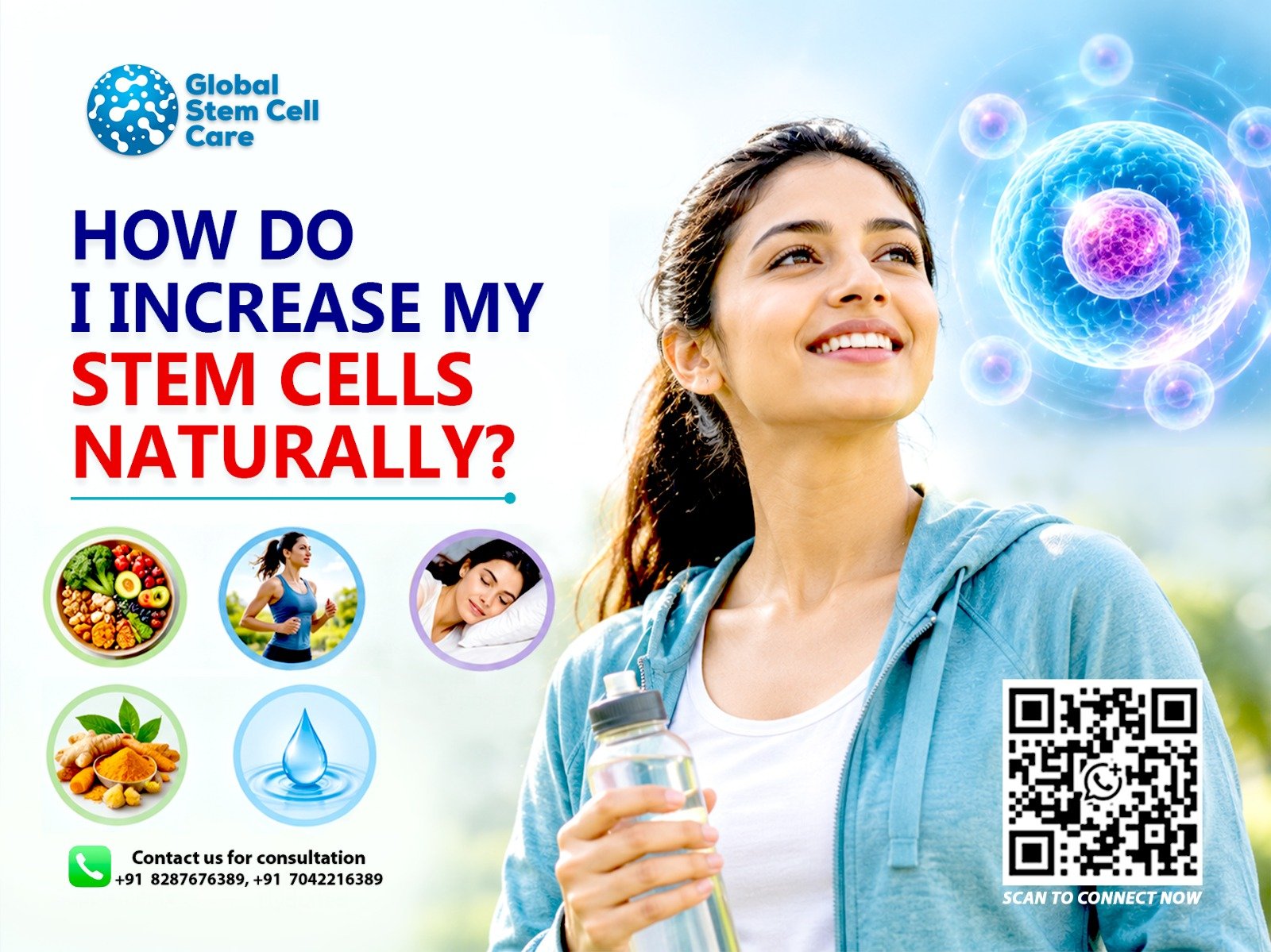
Healthy activities such as exercising, sleeping well, good nutrition, and managing stress may help in maintaining stem cell functions and temporarily increase stem cells circulating in your bloodstream. However, there is no evidence that support that making the lifestyle changes may boost the count of stem cell in the human body. The idea is to support the stem cells already present in your body, not to assume that natural methods can replace medical treatment.
Key Takeaways
- It is possible to boost stem cell circulation and their efficiency in a natural way, primarily by engaging in physical activity, sleeping well, eating properly, and reducing stress levels.
- Aerobic training leads to an elevation of circulating progenitor cells in humans, even though the effect is mostly short-term.
- Healthy sleep, a non-inflammatory diet, and decreased stress provide protection to the niches that house stem cells.
- There is a lack of data about fasting and supplements claimed to be able to boost the number of stem cells in humans.
- No evidence exists that lifestyle modifications can increase the total pool of stem cells in humans significantly.
How Do I Increase My Stem Cells Naturally?
One question that often comes up is whether there is any way for a person to enhance their body’s natural regeneration ability without the use of medicine. Stem cells regenerate old blood, bone, muscle, and vessel cells throughout their whole life. However, their effectiveness decreases with age, inflammation, and a bad lifestyle.
The positive thing is that our lifestyle affects our stem cells’ functioning. In this blog, we will tell you what science says about stem cells and regenerative ability, what practices are based on science, what practices should be considered with care, and when natural practices alone are not enough.
What Are Stem Cells and Why Do They Decline With Age?
Stem cells are unspecialised cells which have the ability to multiply and mature into specialised cells. The ones involved in regenerative medicine include:
- Adult Stem Cells: This is the general term for stem cells found within the body after birth. They are found in tissues like bone marrow, fat, blood and brain, and the primary function of each is maintenance and repair of the tissue in which it is found. They are less specialised than embryonic cells.
- Bone Marrow Stem Cells: There are two kinds of adult stem cells contained within the bone marrow, namely the hematopoietic stem cells (HSCs), which give rise to the formation of blood and immune cells and mesenchymal stem cells (MSCs), which are capable of becoming bone, cartilage and fat and produce factors which reduce inflammation.
- Adipose (Fat) Stem Cells: Also called adipose-derived stem cells (ADSCs), these are MSC-type cells found in body fat. Fat tissue is an easily accessible source, and these cells also support tissue repair and inflammation control.
- Human Umbilical Cord Tissue Mesenchymal Stem Cells (HUCT-MSCs): These are MSCs taken from the cord tissue itself, rather than cord blood, after a healthy birth. They are younger than adult-derived cells and are widely studied in regenerative medicine.
One Important Distinction: Bone marrow and adipose stem cells are already in your body, so lifestyle choices can influence them. HUCT-MSCs come from donated tissue. They cannot be increased naturally, and they are only used in medical settings under specialist supervision. The practical goal, then, is to keep the stem cells you already have healthy, responsive and well supported.
Can Exercise Increase Stem Cells in the Body?
Exercise has the best human evidence. Exercise activates progenitor cells by moving them from the bone marrow to the bloodstream, making them available to repair damaged tissues.
According to a 2004 study published in the Journal of the American College of Cardiology, researchers found an increase in the number of endothelial progenitor cells circulating in people after one exercise session. Further studies found that regular training improved vascular function and was associated with high EPC levels.
For healthy adults in general:
- Try to get at least 150 minutes per week of moderate-intensity aerobic exercise, such as walking, cycling, or swimming (World Health Organisation guidelines).
- Try some resistance exercises two days a week.
- Progress slowly, and do not try sudden and excessive effort if you are unfit or suffer from heart problems.
The acute effect of exercise on the circulation of cells is temporary. It is achieved by regular exercise that leads to improved blood circulation, reduced inflammation, and tissue repair.
Does Sleep Affect Stem Cell Health?
Sleep is the primary period in which the body performs repair functions. Poor sleep and/or lack of sleep are linked with high inflammatory factors like C-reactive protein (CRP) and interleukin-6 (IL-6), and chronic inflammation negatively affects stem cell niches. There is little direct research on the effects of sleep on the function of stem cells in humans. Hence, the correlation is based on indirect evidence.
How to sleep well:
- Ensure that you get 7–9 hours of sleep per night.
- Maintain consistency in your sleep schedule.
- Do not use devices or eat large meals late at night.
- Keep the bedroom dark, cool and quiet.
- Test yourself for sleep apnea in case of severe snoring or constant drowsiness despite plenty of sleep.
Which Foods Support Stem Cell Function?
There is no such thing as “stem cell food.” However, diet has a major impact on oxidative stress and inflammation, both of which play a role in stem cell niches. The following foods can be beneficial:
- Omega-3 fatty acids (fatty fish, flaxseeds, walnuts), which have an effect on inflammation levels.
- Vitamin D, which has positive effects on bone marrow and the immune system.
- Proteins that contain amino acids required by the body to repair tissues.
- Vegetables, fruits, leafy greens, nuts and seeds that contain antioxidants, magnesium, folic acid and vitamin E.
However, equally important is cutting back on certain foods: processed foods, added sugars, trans fats and excessive alcohol consumption. High blood sugar levels damage blood vessels and tissues, creating conditions not conducive to stem cell activity.
The Mediterranean diet satisfies these criteria and is one of the most studied diets when it comes to lowering inflammation. Drink plenty of water as well; circulation relies on hydration.
Can Fasting Boost Stem Cell Regeneration?
Fasting is a hot issue in the Internet community. However, human data remains very insufficient. As yet, there have been no human clinical trials demonstrating that fasting raises stem cell counts and enhances their function in healthy individuals.
It is important to remember the following facts:
- Most claims about fasting that appear on the Internet exceed the evidence obtained from human studies.
- It is not safe for all individuals to undergo prolonged fasting, especially those who suffer from diabetes, are pregnant, frail, elderly, or have an eating disorder.
- Prolonged fasting should not be done without consulting with a doctor.
An easy alternative to fasting can be a 12- to 14-hour fasting period between your evening and morning meals.
How Does Stress Management Protect Stem Cells?
Increased stress levels cause increased secretion of cortisol and inflammatory cytokines like IL-6 and TNF-α. In the long run, this may lead to compromised immune system function and disruption of the signalling mechanism on which stem cells rely.
Ways based on evidence to help deal with stress involve:
- Mindful meditation/breathing techniques
- Yoga and tai chi
- Spending time outdoors
- Building social relationships/counselling
- Establishing work/technology boundaries
All these activities do not contribute to increasing your stem cell count directly, but they reduce inflammation in your body.
What Habits Damage Stem Cells?
Stem cell protection involves avoiding damage:
- Smoking lowers levels of progenitor cells and damages the blood vessels.
- High consumption of alcohol can harm bone marrow and liver regeneration.
- Insulin resistance and obesity cause chronic inflammation.
- Being sedentary for long periods negates the benefits of exercise.
- Air pollution and environmental toxins raise oxidative stress levels.
Giving up smoking is the first thing to do for people who smoke.
The Bottom Line
You have an amazing repair mechanism in your body. The easiest way to help this system is to exercise regularly, get enough sleep, stick to an anti-inflammatory diet, reduce stress levels, and avoid smoking and alcohol intake.
None of these practices provides immediate results, nor do they replace traditional medicine, but they offer your stem cells the optimal conditions. If you wonder whether stem cell therapy is the right treatment for your problem, schedule a free consultation with the experts from Global Stem Cell Care.
FAQs
Q1. Can I really increase my stem cells naturally?
Ans: Regular exercise, adequate sleep, proper nutrition and managing stress are beneficial and may result in higher levels of circulating stem cells, but cannot significantly boost overall stem cell reserves.
Q2. What are the main types of stem cells in the body?
Ans: There are adult stem cells such as bone marrow stem cells (including HSCs and MSCs) and fat stem cells. Donor HUCT-MSCs are stem cells obtained from umbilical cord tissue for medical use.
Q3. What is the best exercise to mobilise stem cells?
Ans: Aerobic physical activity such as fast walking, cycling or swimming is the most effective for people according to existing scientific studies. Combine it with resistance exercises done twice a week.
Q4. Which foods support stem cell health?
Ans: A diet with fish that is high in omega-3 fatty acids, fruits, vegetables, leafy green vegetables, nuts and seeds will contribute to a low-inflammation state. There is no single food that increases stem cell count.
Q5. Does poor sleep affect stem cells?
Ans: Lack of sleep leads to the elevation of such inflammatory markers as CRP and IL-6. People should aim for 7-9 hours of sleep per day, although the evidence from human studies is limited.
Q6. Which habits damage stem cells?
Ans: Such factors as smoking, alcohol abuse, obesity, sedentary lifestyle and high pollution cause more inflammation and oxidative stress. Among these factors, quitting smoking may be the most effective.
Q7. Can natural methods increase HUCT-MSCs?
Ans: No. The HUCT-MSCs are obtained from donated umbilical cord tissue and not from your own body. They can be used in medically supervised settings in eligible patients only.
Q8. How long does it take to see benefits from healthy lifestyle habits?
Ans: Exercise increases progenitor cells circulating in the bloodstream within hours, although temporarily. Long-term effects are seen when exercising for several months along with sleep and nutrition.
References
(1). WHO 2020 guidelines on physical activity and sedentary behaviour (Bull et al., Br J Sports Med)
https://www.ncbi.nlm.nih.gov/pmc/articles/PMC7719906/
(2). Irwin et al., 2016, sleep and inflammation meta-analysis (Biological Psychiatry)
https://pmc.ncbi.nlm.nih.gov/articles/PMC4666828/
(3). Endothelial progenitor cell response to acute multicomponent exercise sessions with different durations.
https://www.ncbi.nlm.nih.gov/pmc/articles/PMC9025950/
(4). Exercise induces SDF-1 mediated release of endothelial progenitor cells with increased vasculogenic function.
https://pmc.ncbi.nlm.nih.gov/articles/PMC4311572
(5). Kondo T, Hayashi M, Takeshita K, et al. Smoking cessation rapidly increases circulating progenitor cells in peripheral blood in chronic smokers. Arteriosclerosis, Thrombosis, and Vascular Biology. 2004.
https://pmc.ncbi.nlm.nih.gov/articles/PMC2891626
(6). Wharton’s jelly: the rich, but enigmatic, source of mesenchymal stromal cells. Stem Cells Translational Medicine.
https://pmc.ncbi.nlm.nih.gov/articles/PMC5689772
(7). Umbilical cord as prospective source for mesenchymal stem cell-based therapy. Stem Cells International.
https://pmc.ncbi.nlm.nih.gov/articles/PMC5019943
(8). Indian Council of Medical Research and Department of Biotechnology. National Guidelines for Stem Cell Research. 2017. https://pmc.ncbi.nlm.nih.gov/articles/PMC6801994/