Table of Contents
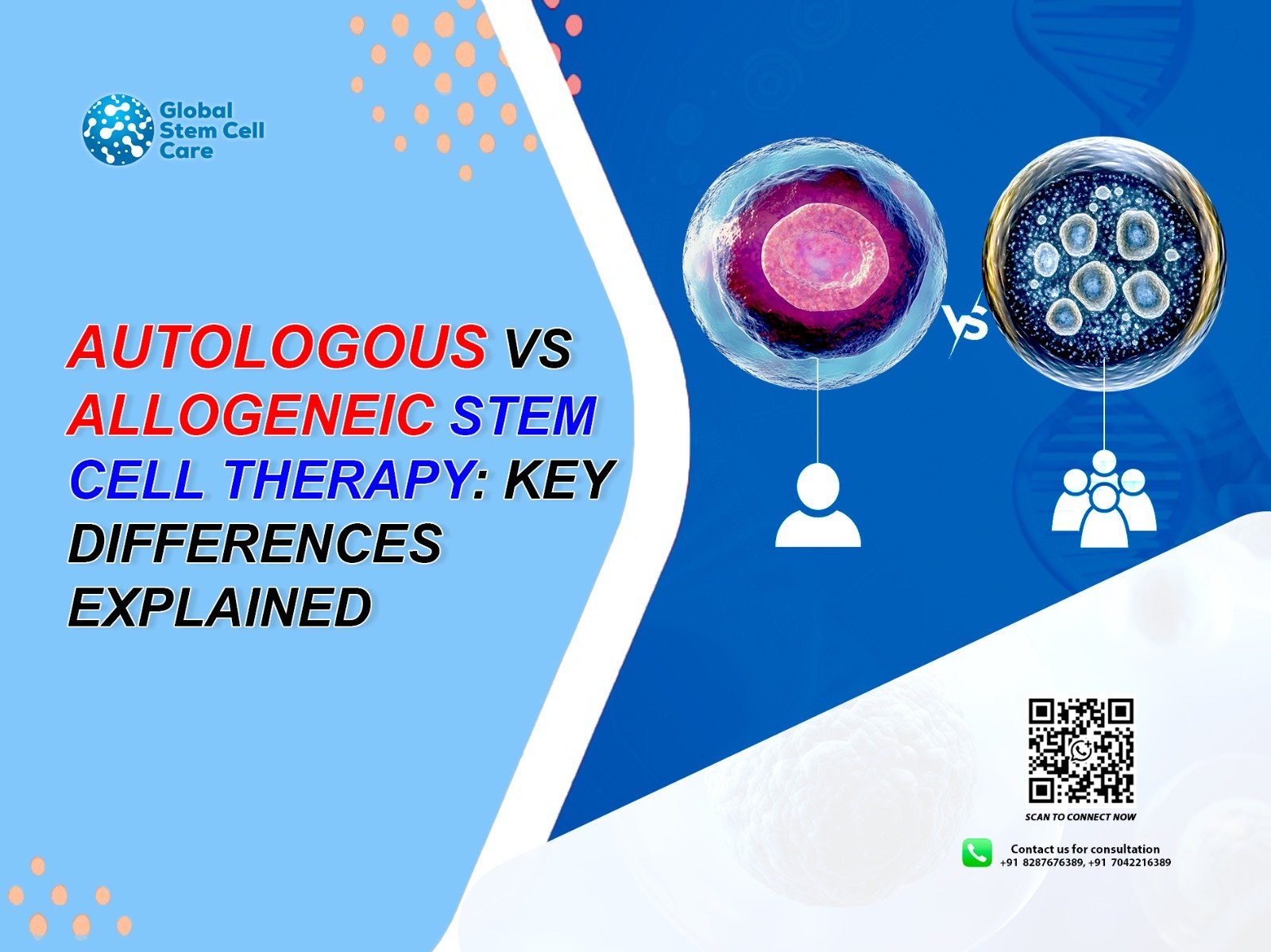
Stem cells can be either autologous or allogeneic and are researched and developed for the treatment of various medical conditions in each case. An overview of their differences may be useful for patients’ comprehension of related topics.
Patients who have never had experience with stem cell therapy usually come across numerous medical terms when researching stem cell therapy for their condition. The two most popular are autologous and allogeneic stem cell therapy. Despite the common usage of these terms in regenerative medicine, some patients are unsure about what these terms mean and why it makes a difference to choose one or the other.
However, in one case, the cells are taken from the patient’s own body, while in the other technique, the cells are taken from a donor. Still, when patients start reading deeper into stem cell therapy research, more serious questions arise – which method is safer, and whether both of these methods are used in the same cases.
Unfortunately, the choice between these approaches depends on the medical condition, treatment goals, and current clinical evidence.
Understanding Autologous and Allogeneic Stem Cell Therapy
Autologous Stem Cell Therapy
In autologous stem cell therapy, the cells are collected from the same person receiving the treatment. Depending on the condition and medical setting, these cells may come from bone marrow, fat tissue, or blood.
The sources of cells include:
- bone marrow
- adipose tissue (fat tissue)
- blood in certain medical settings
As the cells are sourced from the individual’s body, the chances of being rejected by their body are greatly minimized. Such therapies are often referred to when it comes to regenerative medicine studies or some proven treatments like bone marrow transplantation.
Allogeneic Stem Cell Therapy
Allogeneic stem cell therapy works differently because the cells come from a donor rather than the patient themselves. In some situations, donor cells may come from a matched family member, a registered donor source, or umbilical cord tissue.
A potential donor could be:
- a family member
- a matched donor
- umbilical cord tissue source
Researchers study this approach because donor cells may sometimes be prepared and stored in advance, making them more readily available in certain situations. However, donor-based approaches may involve additional immune compatibility considerations.
Key Differences Between Autologous and Allogeneic Therapies
| Factor | Autologous Therapy | Allogeneic Therapy |
| Cell Source | Derived from the patient’s own body | Donor cells |
| Immune Reject Risk | Usually lower | It may require compatibility evaluation |
| Availability | It requires cell collection from the patient | Donor cells may already be prepared |
| Processing Time | It may take longer, depending on the collection | Sometimes faster access |
| Common Discussion Areas | Orthopaedic and regenerative medicine research | Blood disorders and immune-related research |
| Ethical Concerns | It usually fewer | More regulatory and donor screening consideration |
Although the above information is enough to present a rough overview, the decision itself is rather complicated and based on specific patient needs and conditions.
Choosing the Right Type of Therapy for Your Condition
Patients tend to believe that one therapy is inherently “superior” to another, but that is not always the case with how doctors approach it as treatment.
Selection criteria can include:
- the medical condition
- patient age and health status
- treatment goals
- donor availability
- safety considerations
- current clinical evidence
In some cases of blood-related diseases, donor-based stem cells might be required. In others, when exploring regenerative medicine opportunities, specialists will evaluate the appropriateness of using autologous stem cells for an individual.
Proper medical assessment of each patient’s condition is required since not all patients are eligible for certain types of stem cell therapy.
Cost Comparison: Autologous vs Allogeneic
The cost of the autologous and allogeneic approach differs greatly depending on the country, the hospital, the lab equipment, and the nature of the process carried out.
Costs can vary depending on:
- laboratory processing
- donor matching requirements
- hospital infrastructure
- storage and preparation methods
- rehabilitation needs
Because donor-based therapy may require additional compatibility testing, costs can sometimes differ between approaches. However, patients should refrain from judging any treatment based on its cost alone. Just because it costs less does not necessarily make it superior, and the same goes for expensive treatments.
Clinical Outcomes and Current Research
Stem cell research continues to show varying outcomes depending on the disease being studied, patient health, rehabilitation support, and the type of stem cell approach involved.
There are diseases for which there are procedures based on stem cells, with reliable evidence accumulated over decades, especially when it comes to hematologic or marrow disorders. However, not all uses of regenerative medicine are fully evaluated yet.
It means that results may be different because of:
- The condition involved
- disease severity
- overall patient health
- rehabilitation support
- follow-up care
- Patient diet
For example, some people report symptom relief and improved quality of life, whereas others feel no difference. The reasons for such diversity of responses are still unclear to researchers.
The Concluding Thoughts
Both autologous and allogeneic stem cell therapies continue to be studied across different areas of medicine. Since each approach involves different biological and clinical considerations, treatment decisions should always be guided by proper medical evaluation, current evidence, and realistic expectations. For those seeking clarity on these treatments and current research, reaching out to Global Cell Care can empower you to make informed health decisions.
Frequently Asked Questions
Q1. What is the difference between autologous and allogeneic stem cell therapy?
The first involves the use of the patient’s stem cells, whereas the second requires stem cells from a donor.
Q2. Why do doctors sometimes prefer donor stem cells?
Depending on the nature of a certain ailment, donor stem cells may be required as a medically indicated procedure or choice.
Q3. Is one approach safer than the other?
Safety depends on different parameters like health status, disease type, and other specifics of the procedure.
Q4. Do both therapies work for the same conditions?
Not necessarily. Various types of stem cell treatments can be used for different purposes in medicine.
Q5. Are these therapies approved for every disease?
No, since there are numerous applications of stem cells that are still being tested in clinical trials.
Reference Links
National Institutes of Health (NIH). “Stem Cell Basics.”
https://stemcells.nih.gov/info/basics
PubMed Central. “Autologous and Allogeneic Stem Cell Transplantation.”
https://pmc.ncbi.nlm.nih.gov/articles/PMC7125011/
Mayo Clinic. “Bone Marrow Transplant.”
https://www.mayoclinic.org/tests-procedures/bone-marrow-transplant/about/pac-20384854
ClinicalTrials.gov.“Stem Cell Clinical Studies.”
https://clinicaltrials.gov/search?term=stem%20cell
PubMed Central.“Mesenchymal Stem Cells in Regenerative Medicine.”