Table of Contents
- How Nutrition Influences Stem Cell Function
- Lifestyle Factors That Affect Regenerative Outcomes
- Why Regenerative Medicine Takes a Whole-Body Approach?
- Important Dietary Tips For Boosting Stem Cell Function In the Body
- What Does This Mean For The Patient?
- For Consultation: Global Stem Cell Care
- To Bring It All Together
- Frequently Asked Questions
Summary: Nutrition and lifestyle habits have a crucial role to play in determining the internal environment of the body, on which regenerative therapies have to work. The following blog will discuss the relevance of nutritional and lifestyle habits to the functioning of the cell and the healing of the tissue and how patient consultation is so important in regenerative therapy.
Regenerative medicine, including stem cell therapy, does not work like magic. In these treatments, stem cell function is shaped by the biological environment in which the cells are placed. Factors such as inflammation, immune balance, and circulation all influence how the body responds to regenerative medicine.
Recent research shows the growing acknowledgment of the impact of nutritional factors and lifestyle on such internal conditions. Instead, stem cell-based approaches work best when the body is prepared to support the repair process. Understanding this relationship is essential for setting realistic expectations and making informed decisions.
How Nutrition Influences Stem Cell Function
Science has shown that the activity of stem cells is influenced by metabolic processes and biochemical signals modulated by nutrition. Poor nutritional status could result in increased oxidative stress and inflammation, which impairs cellular repair mechanisms.
Key nutrition-related factors being studied in regenerative research include:
- Inflammation Control: A diet high in processed foods can heighten systemic inflammation.
- Micronutrient Availability: Vitamins, minerals, and antioxidants support cellular signaling.
- Metabolic Balance: Metabolic balance provides for healthier tissue environments with stable glucose and lipid levels.
Nutrition does not replace regenerative therapy but may impact how well biological repair pathways work.
Lifestyle Factors That Affect Regenerative Outcomes
Patients’ lifestyle habits help in shaping circulation, immune regulation, and cellular stress responses. Research highlights several lifestyle factors that may impact the regenerative process:
- Physical Activities: Moderate physical activity supports blood flow and oxygen delivery to tissues.
- Sleep Quality: Taking good quality sleep plays a role in immune balance and cellular recovery.
- Stress Management: Severe stress may disrupt inflammatory and hormonal pathways.
- Smoking & Alcohol Exposure: Smoking and excessive alcohol exposure can impair tissue repair mechanisms.
All of these factors help explain why patients’ outcomes may vary, even when similar regenerative protocols are used.
Why Regenerative Medicine Takes a Whole-Body Approach?
Stem cell therapies work through signaling, immune modulation, and support of existing tissues, instead of quick replacement. This makes the internal biological environment vital.
Several studies indicate that:
- Severe inflammation may limit regenerative signaling
- Poor vascular health can restrict nutrient and oxygen flow
- Metabolic imbalance may affect tissue responsiveness
Due to this, regenerative medicine increasingly focuses on patient preparation and long-term health optimization alongside treatment planning.
Important Dietary Tips For Boosting Stem Cell Function In the Body
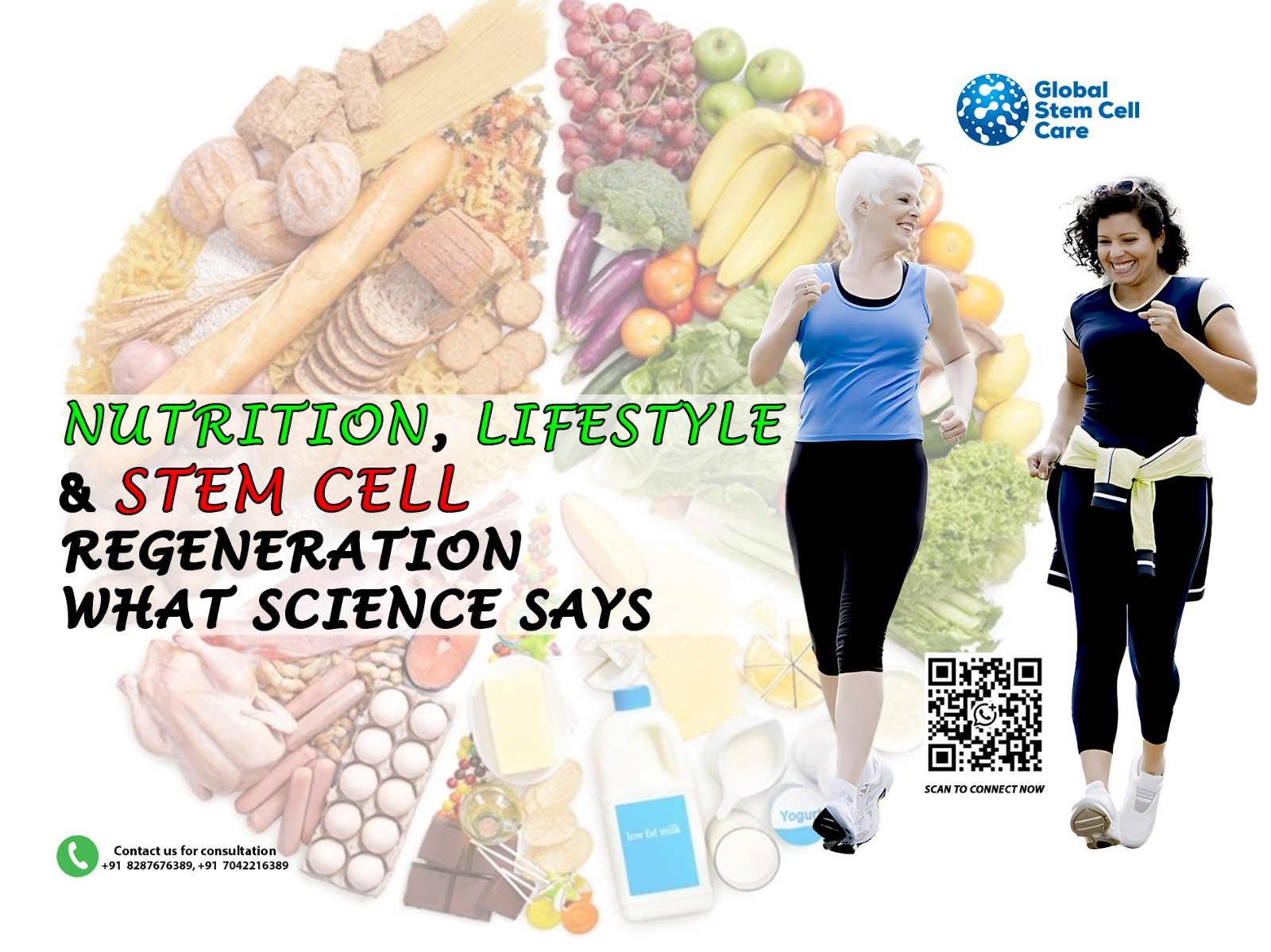
Taking care of your body is important for keeping a healthy lifestyle. A balanced diet goes a long way, as well as nourishing stem cell activity. Research-backed dietary considerations include:
- Eat Foods High in Antioxidants: Adding berries, green tea, and spinach neutralizes free radicals that can harm your stem cells.
- Omega-3 Fatty Acids: Omega-3s are present in fish, walnuts, and flaxseeds and help in decreasing inflammation and safeguarding new cells.
- Add Lean Proteins: Foods like eggs, tofu, and lentils produce enough amino acids for tissue growth and repair.
- Stay Hydrated: Water helps in body nutrient transport and removes toxins that may interfere with the regeneration of tissues and cells in the body.
- Restrict Sugar and Processed Foods: Eating these foods can trigger inflammation, slowing down the healing process in the body.
Importantly, only by nourishing your body with a healthy diet can you provide stem cells the energy and environment they require to do their work effectively.
What Does This Mean For The Patient?
Patients considering regenerative treatments should regard nutrition and lifestyle as supportive factors, not as predictive of the outcome. They help in creating a condition that may favor healing and therefore are not a cure themselves.
A structured approach can be characterized by:
- Individual health status assessment
- Identifying modifiable lifestyle factors
- Meet expectations with scientific evidence
This avoids unfounded assumptions and allows for the making of safer decisions.
For Consultation: Global Stem Cell Care
Expert interpretation is necessary to comprehend the linkages and interplay between regenerative medicine and the roles of diet and lifestyle. Global Stem Cell Care is equipped with consultations based on a careful assessment of patients’ health profiles, maintaining conformity to scientific realities while avoiding overenthusiastic persuasion in regenerative care planning.
To Bring It All Together
Regenerative medicine functions within the broader context of whole-body health. Nutrition and living habits do not offer an alternative to stem cell treatments, although they play an important role in determining the biological context in which such processes take place. However, those who seek care in regenerative medicine must have proper preparation and a clear indication of what to expect.
Frequently Asked Questions
Q1. Can diet alone activate stem cell regeneration?
Ans. No. Nutrition helps maintain healthy cells, not substitutes for regenerative therapies.
Q2. Does lifestyle impact the outcome of stem cell therapy?
Ans. Lifestyle choices could have a potential effect on inflammation, circulation, or immunity.
Q3. Should patients change habits before regenerative therapy?
Ans. Lifestyle assessment has been advocated as an important accompaniment to consultation.
Q4. Are supplements enough to improve regeneration?
Ans. Supplements may provide nutritional support but do not replace regenerative therapies or medical treatment. Their use should always be guided by professional consultation.
Q5. Why is consultation important in regenerative medicine?
Ans. This consultation process serves to synchronize therapy choices with an individual’s personal health status and scientific data.
List of References
Squillaro T., Peluso G., Galderisi U. – Clinical Trials with Mesenchymal Stem Cells: An Update
Comprehensive review of MSC biology, immune modulation, and factors influencing regenerative outcomes.
https://pmc.ncbi.nlm.nih.gov/articles/PMC3636724/
Galipeau J., Sensébé L. – Mesenchymal Stromal Cells: Clinical Challenges and Therapeutic Opportunities
Explains how inflammation, immune environment, and systemic health affect stem cell behavior.
https://www.sciencedirect.com/science/article/pii/S1525001625000930
Trounson A., McDonald C. – Stem Cell Therapies in Clinical Trials: Progress and Challenges
Discusses clinical translation, patient variability, and biological limitations of regenerative therapies.
https://www.nature.com/articles/nrm.2015.10
Yáñez-Mó M. et al. – Biological Properties of Extracellular Vesicles and Their Physiological Functions
Supports the concept of cellular communication, signaling, and environment-dependent regeneration.
https://www.nature.com/articles/nrm.2015.3
Atala A. – Tissue Engineering and Regenerative Medicine: Concepts for Clinical Translation
Highlights the role of systemic health, vascular support, and biological readiness in regenerative outcomes.